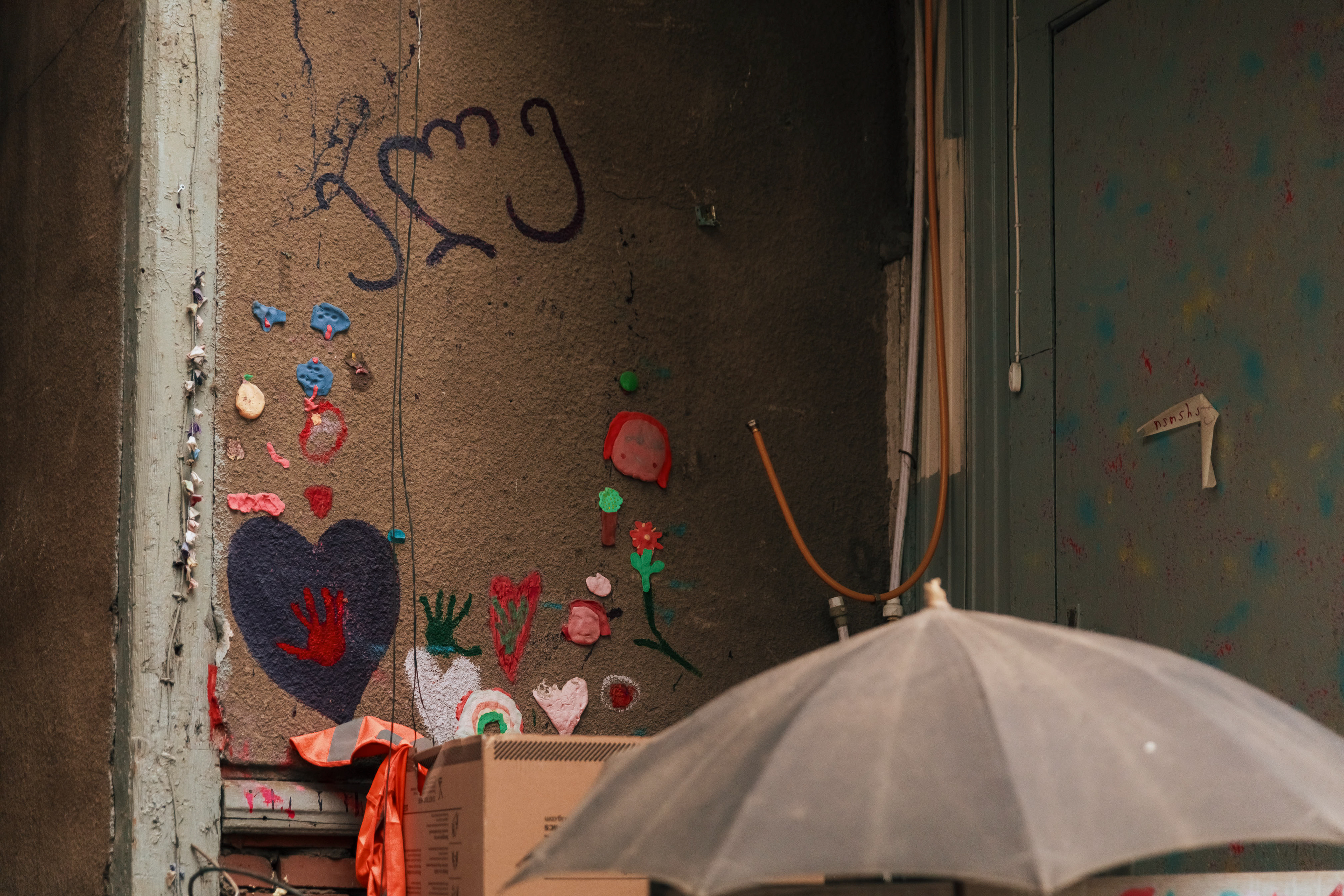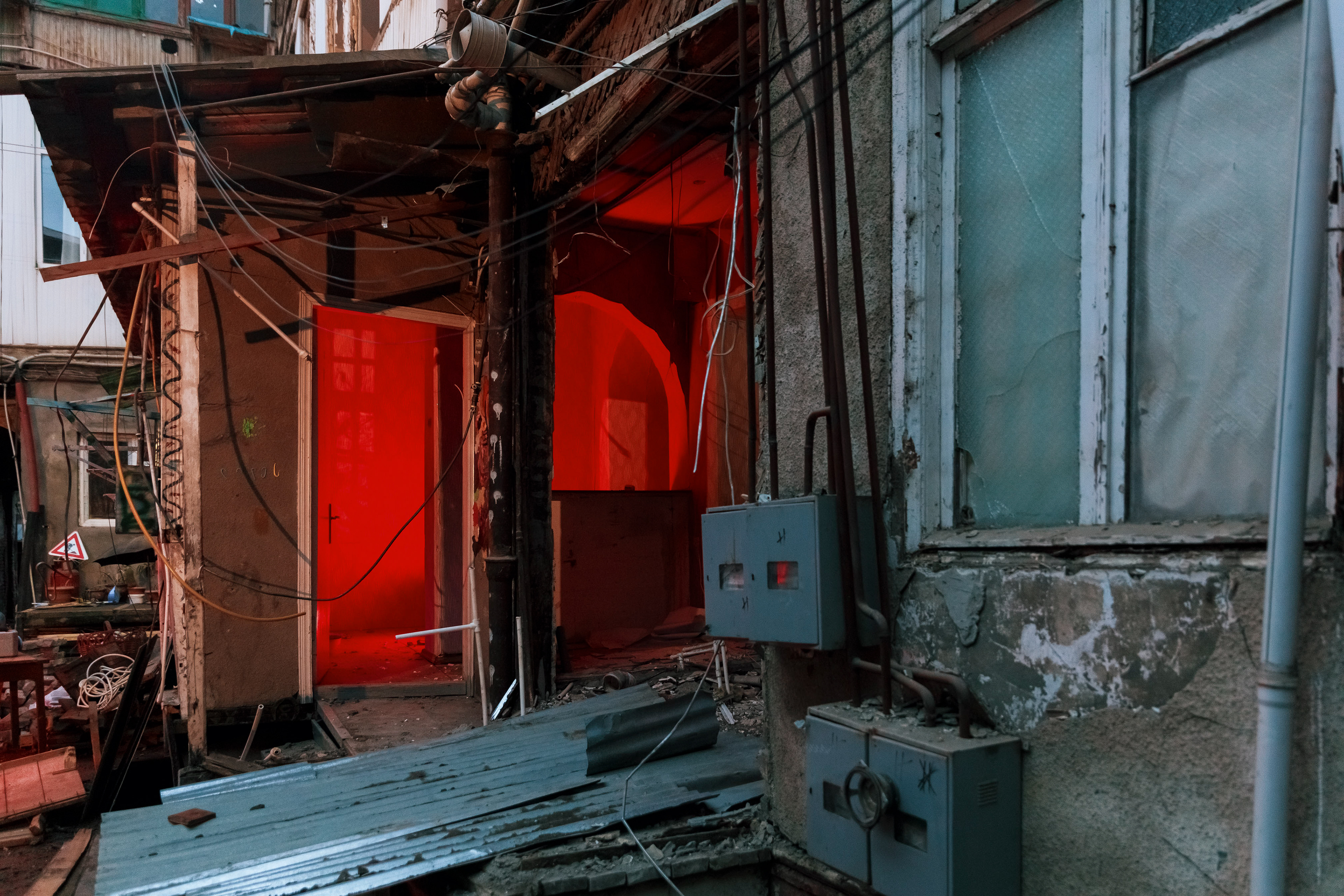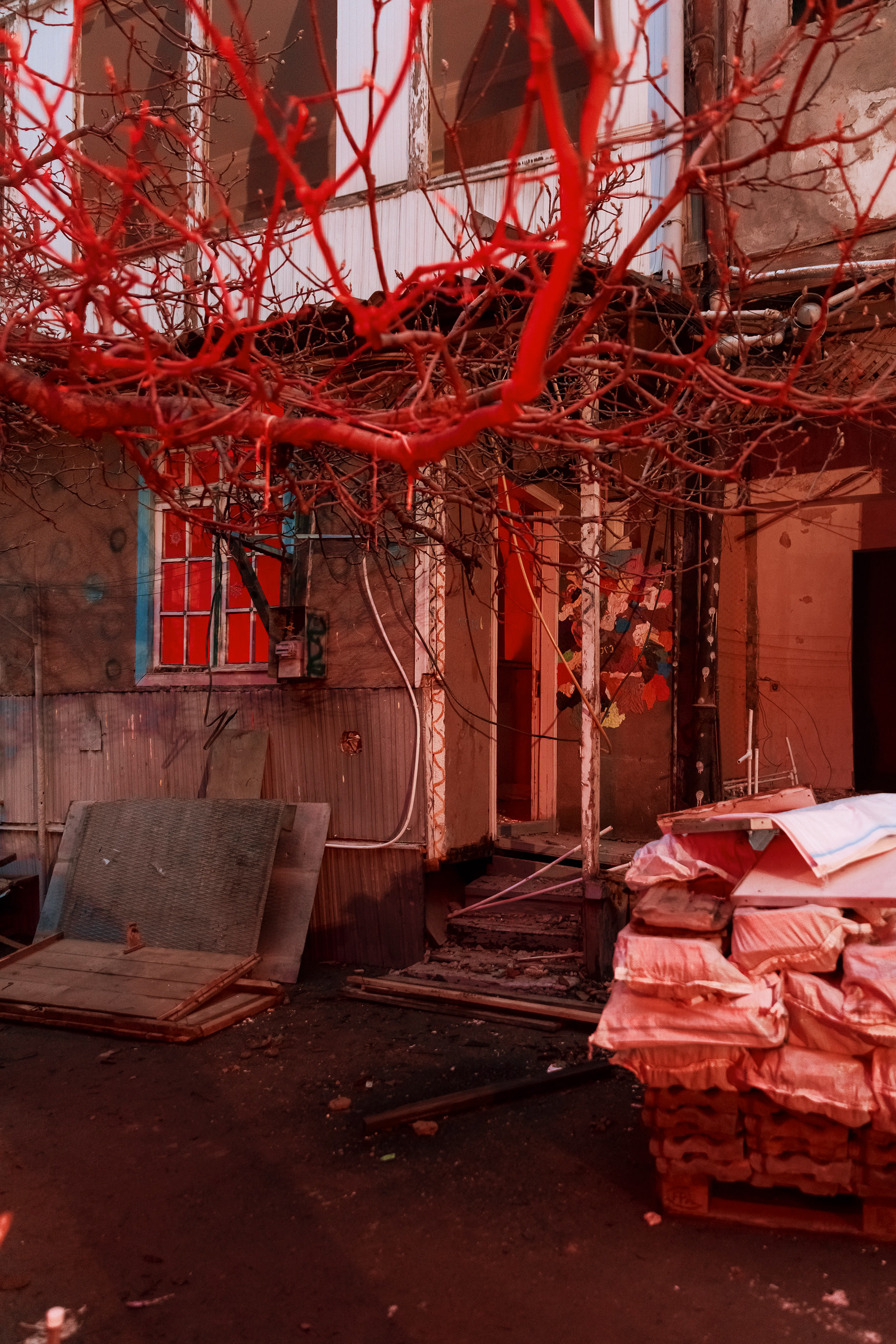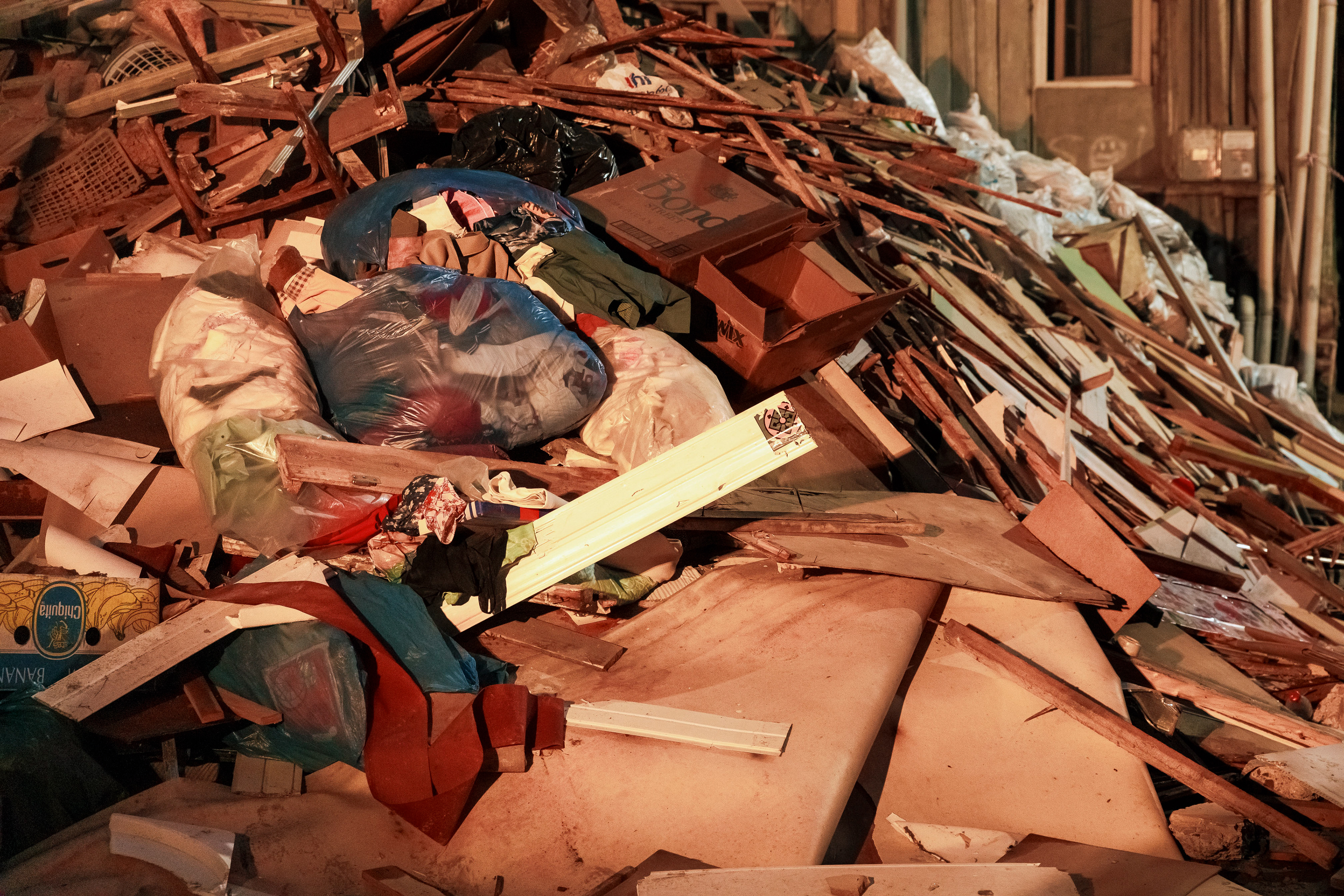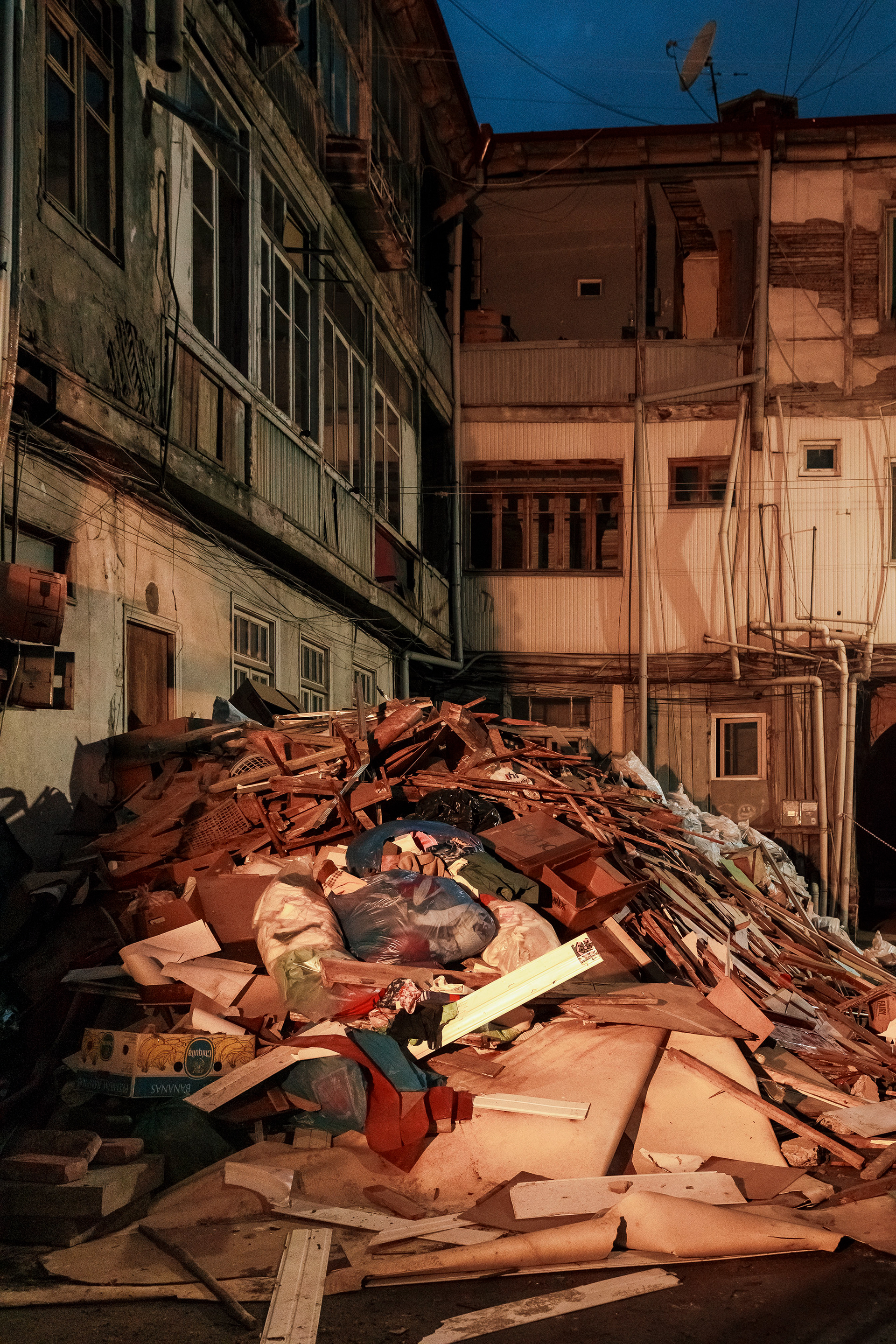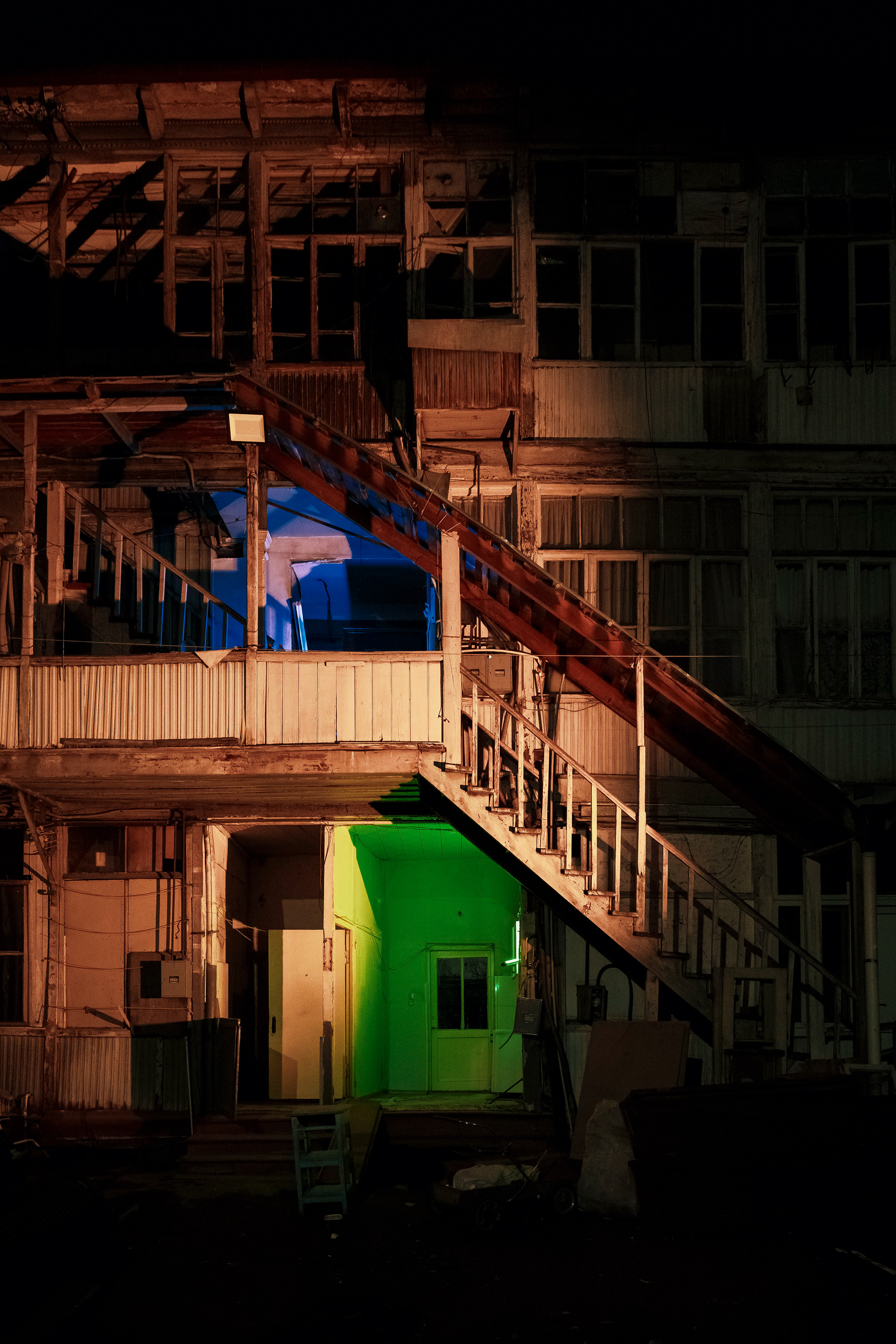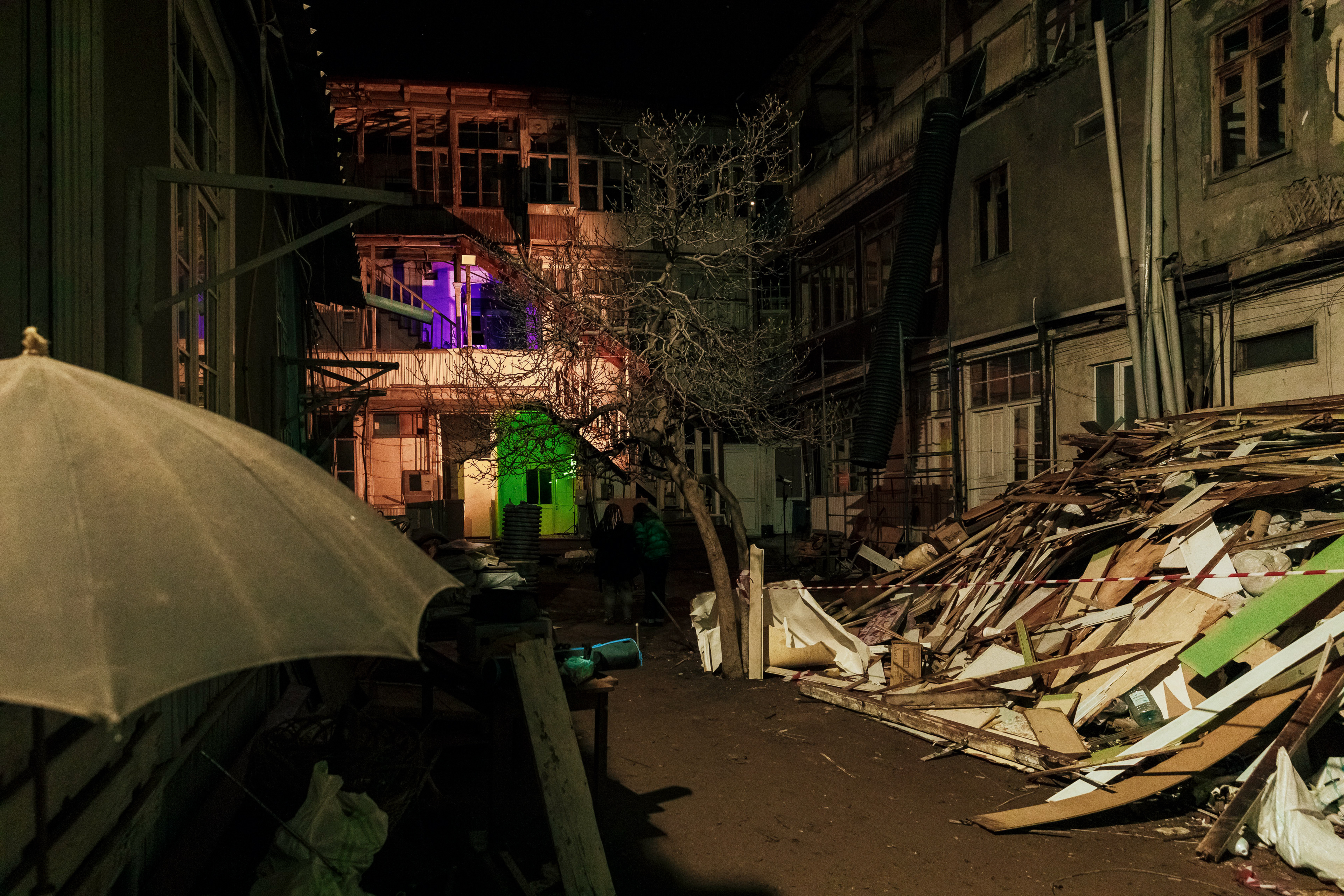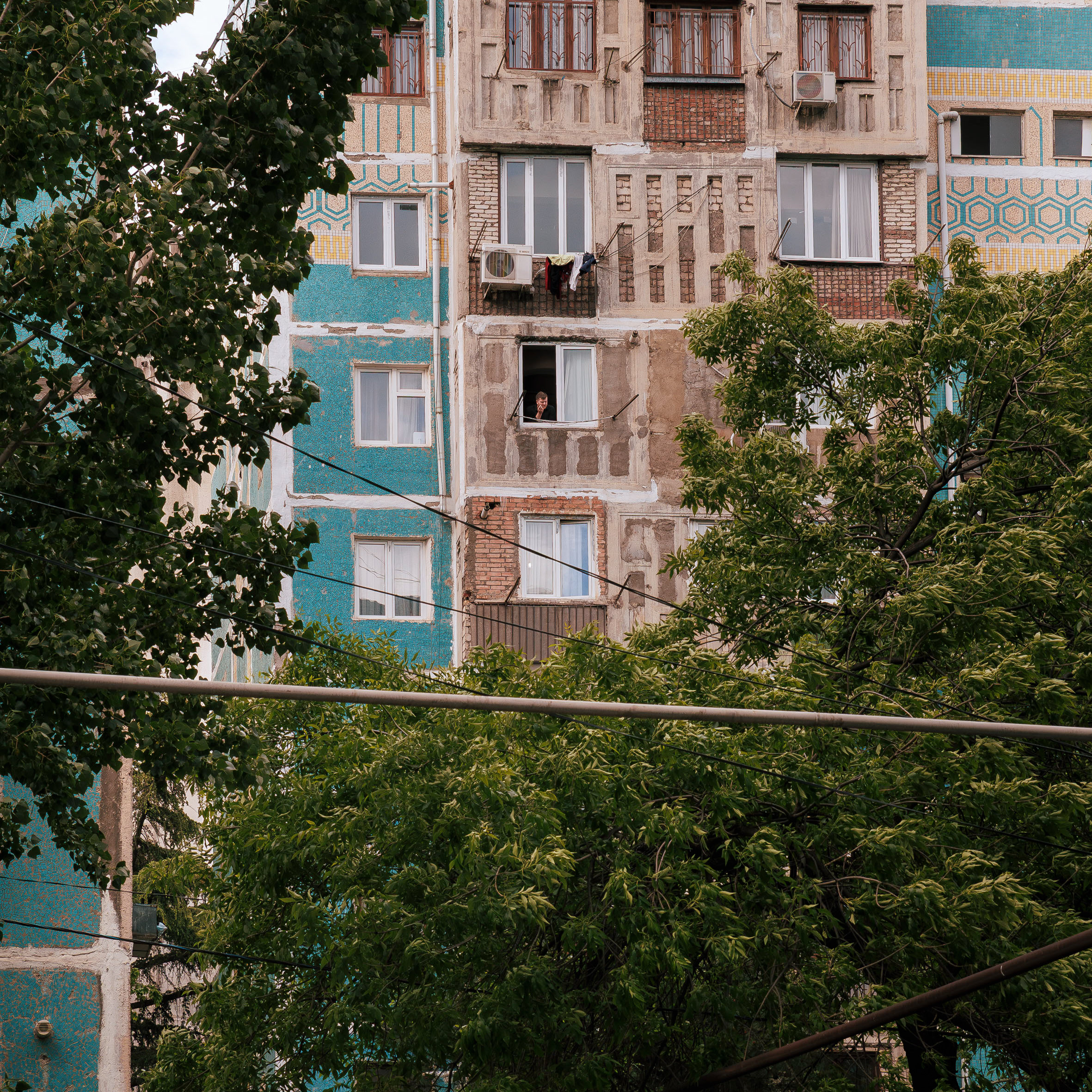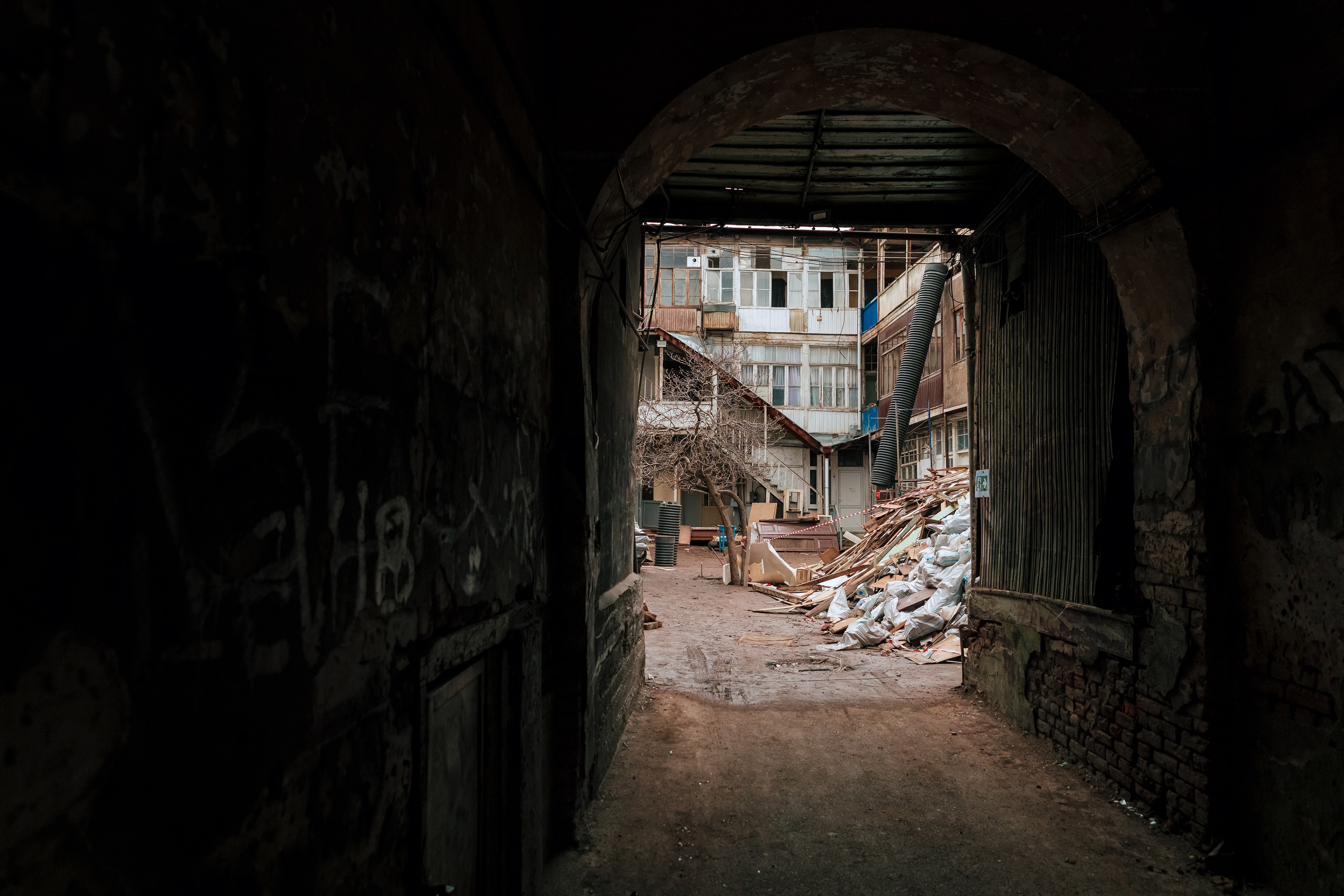
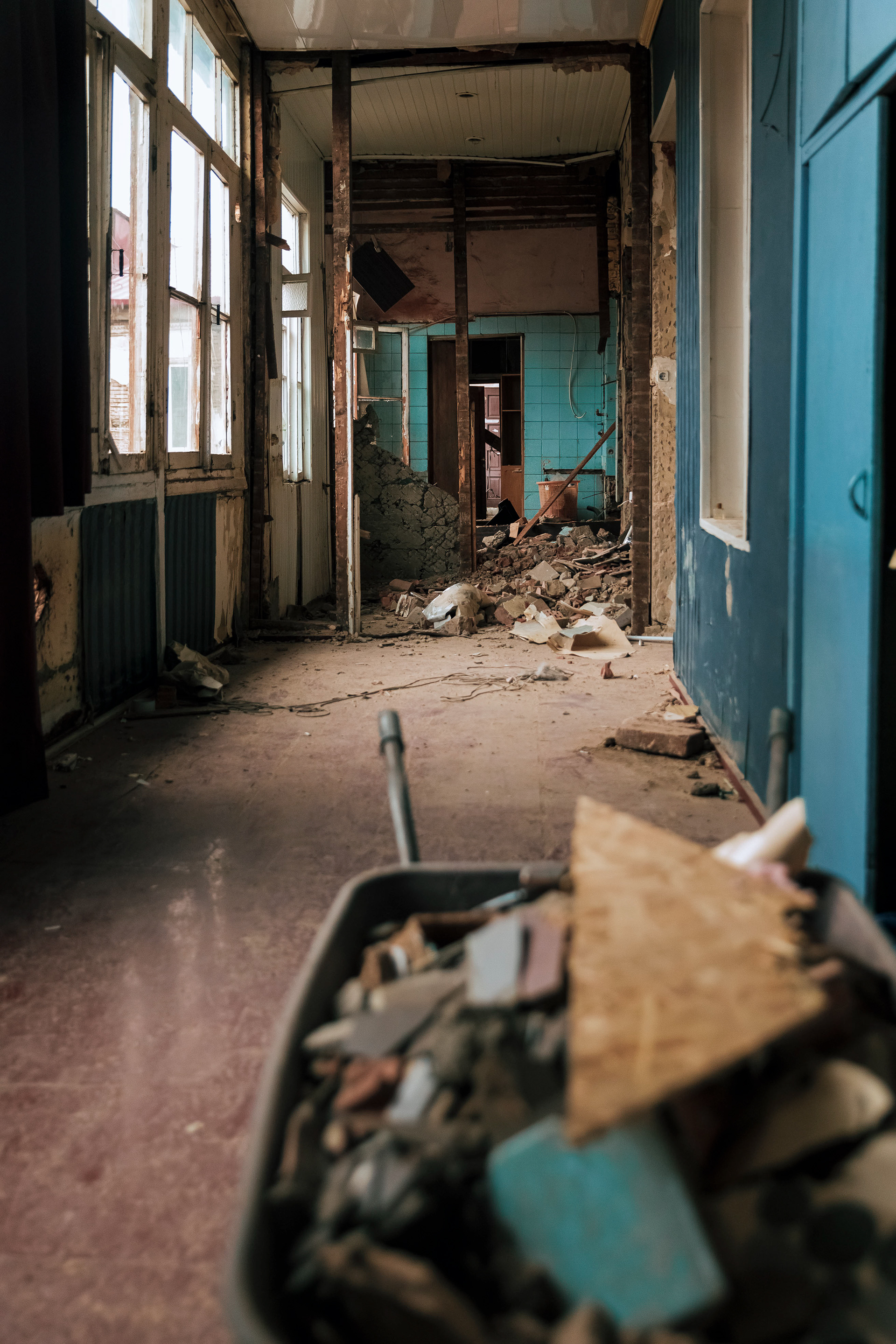
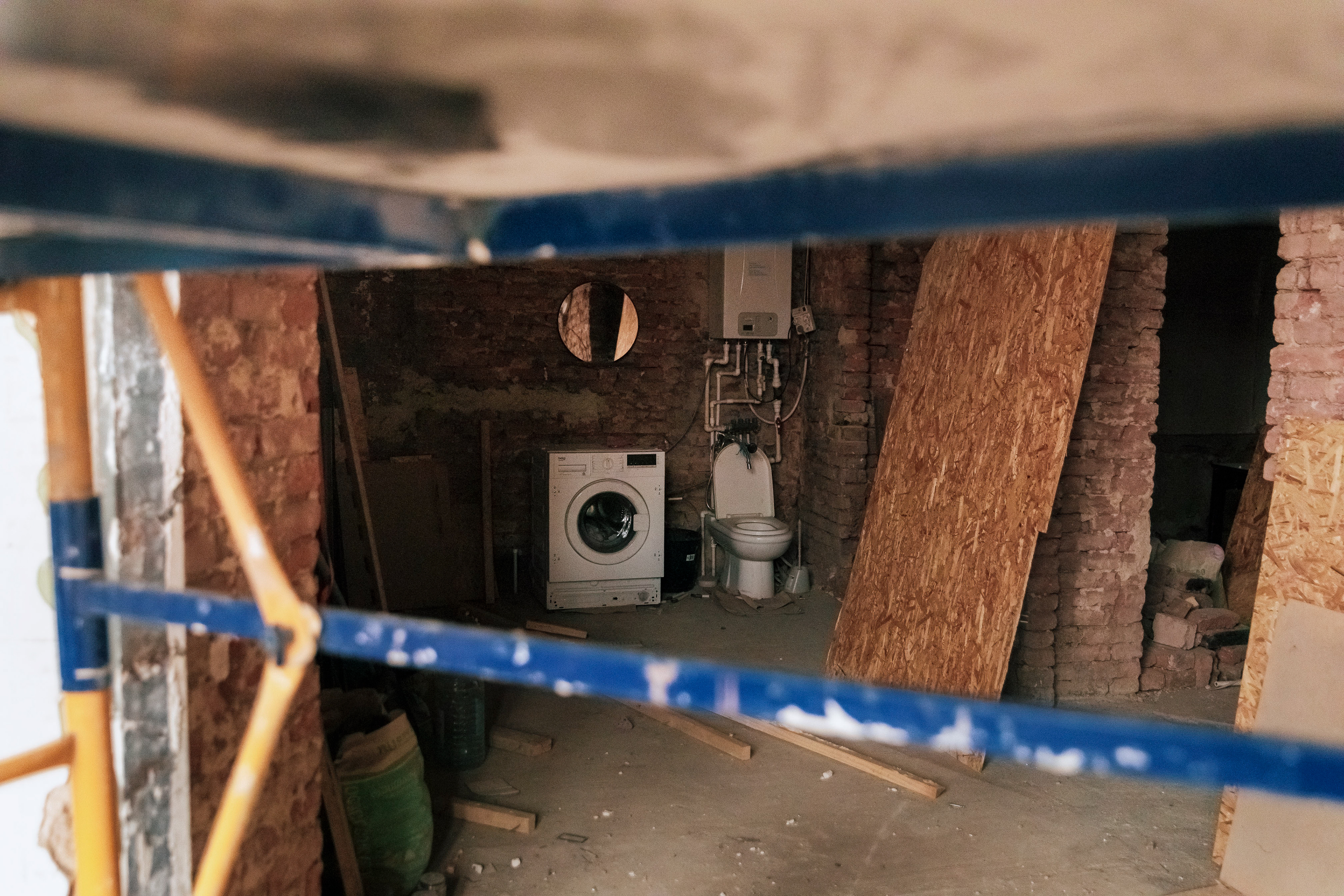
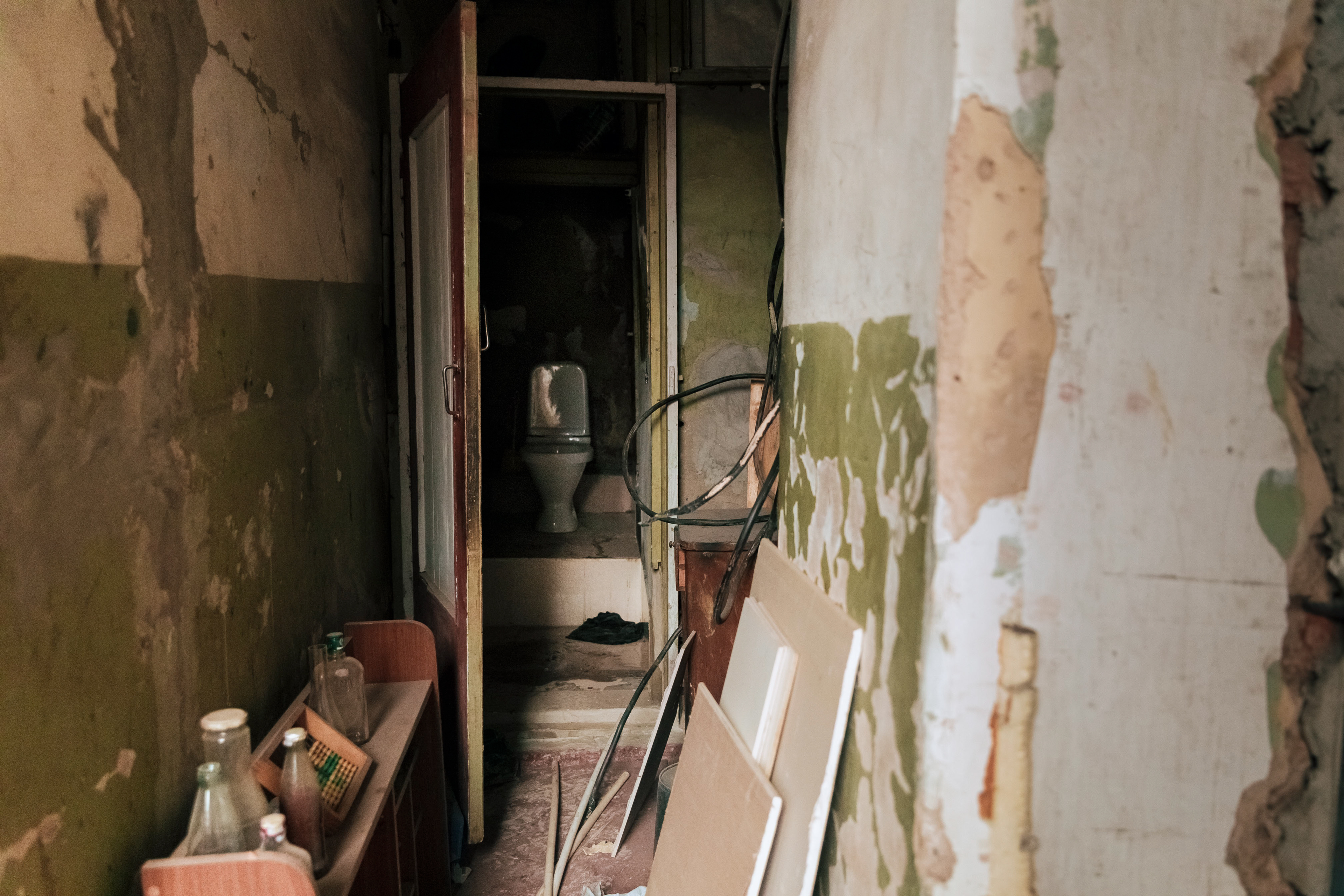
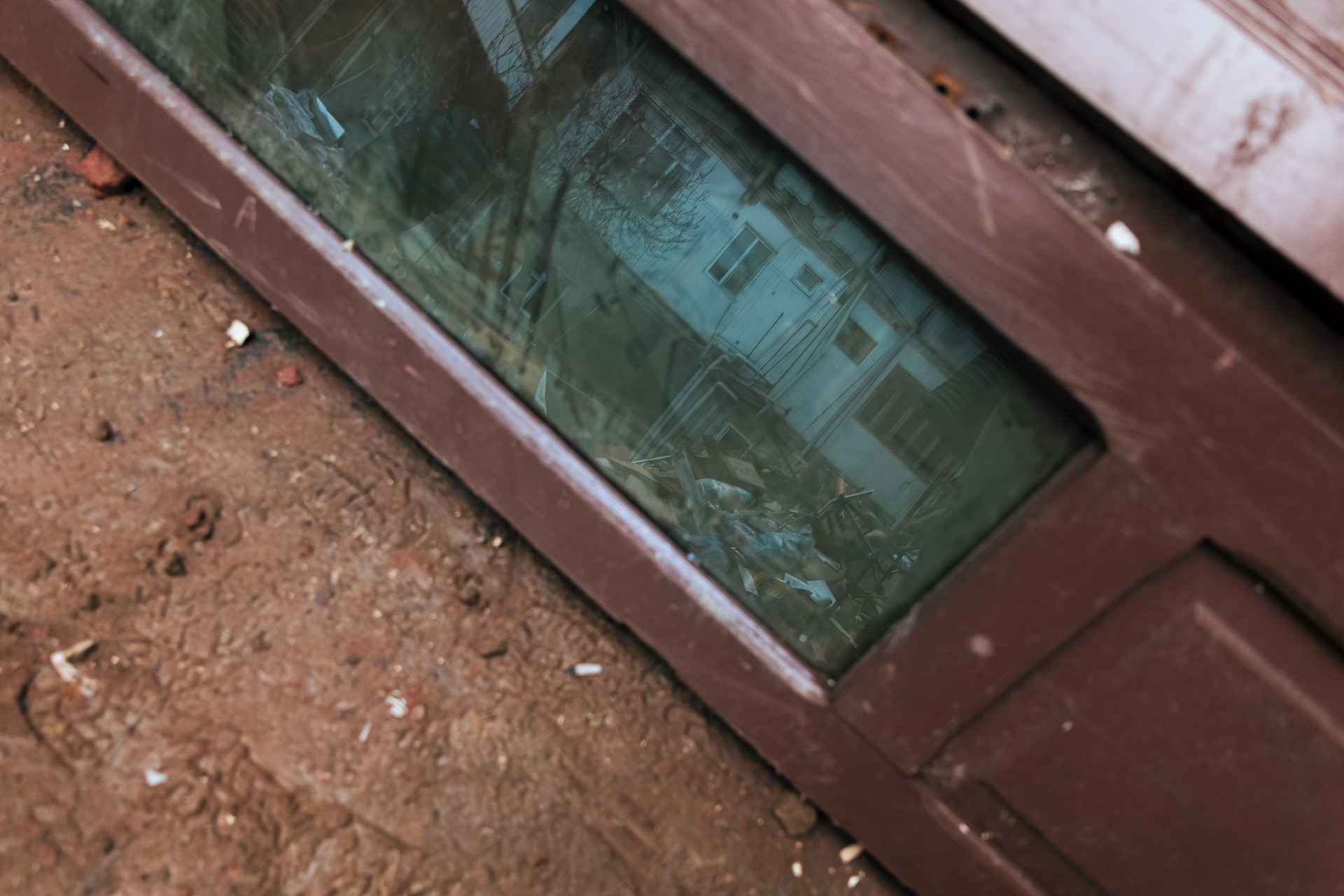
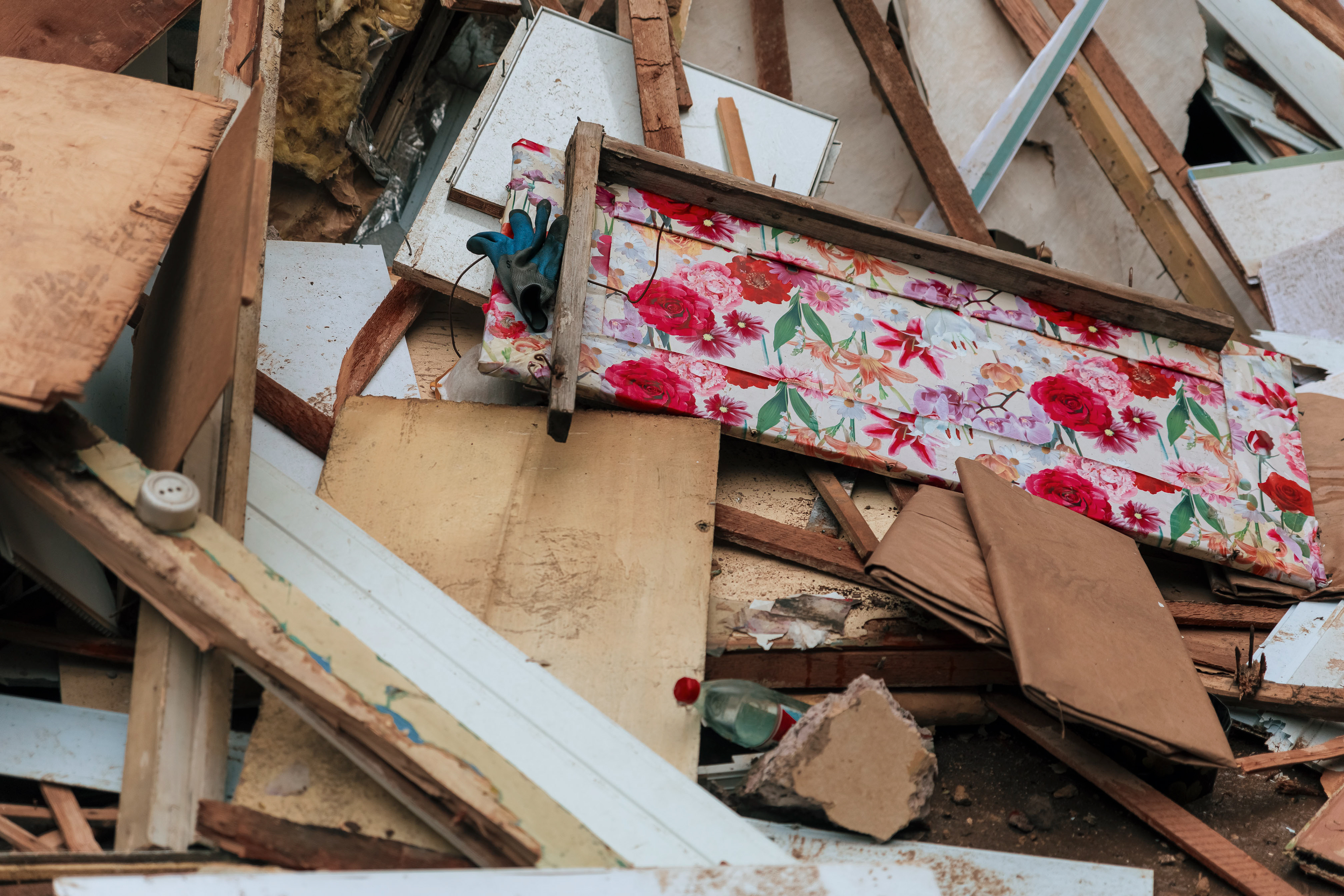
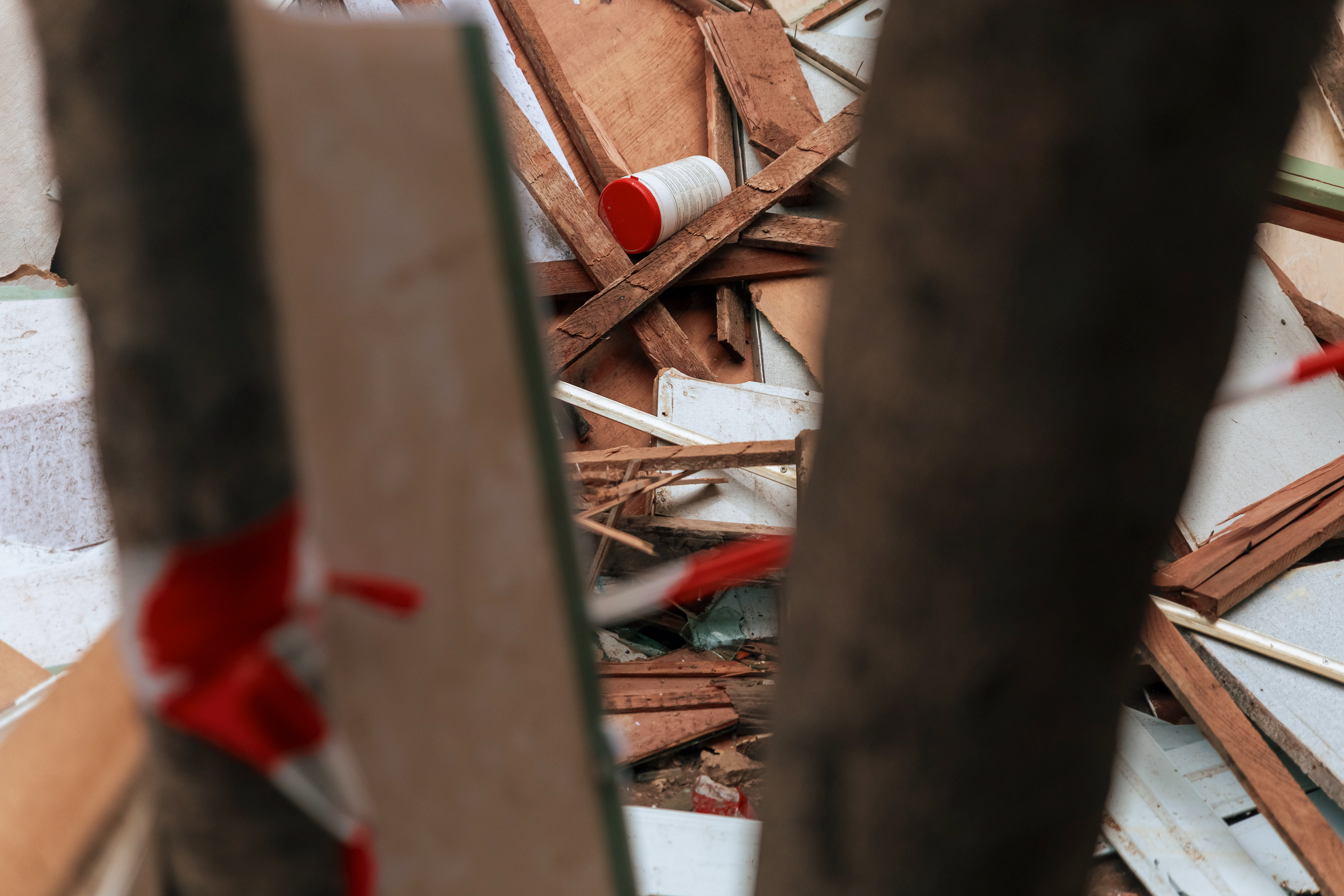
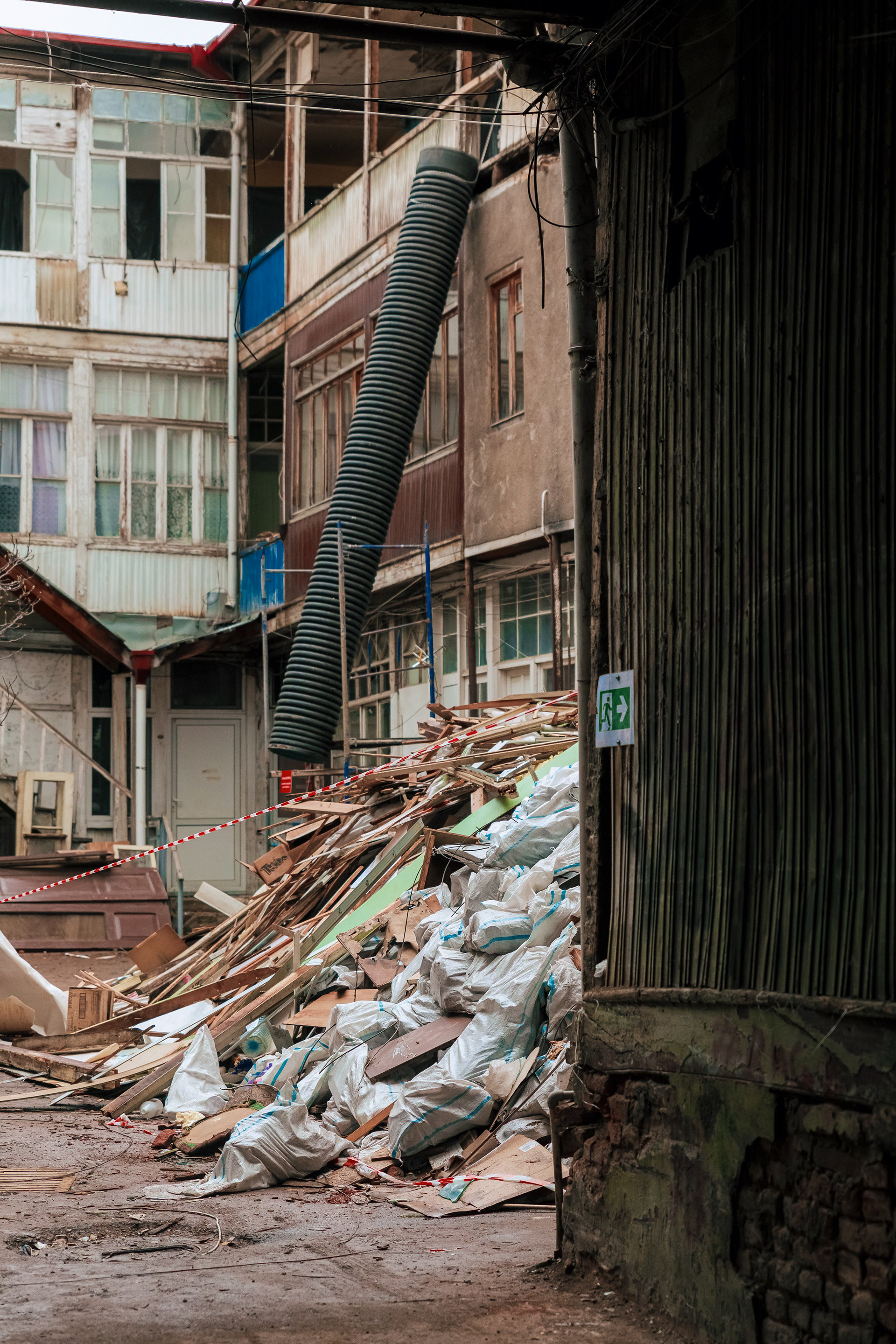
As a photographer, I have always felt a deep responsibility to capture the things that time threatens to erase. Walking into the old Italian yard on Pirosmani Street, I couldn’t help but feel that I was stepping into a story that was both ending and beginning at the same time. This place, once home to the legendary Niko Pirosmani, is now undergoing restoration—its worn balconies, wooden staircases, and timeworn walls being altered, perhaps forever. There is something bittersweet about witnessing such change. Every layer of paint, every replaced brick, takes something irreplaceable with it.
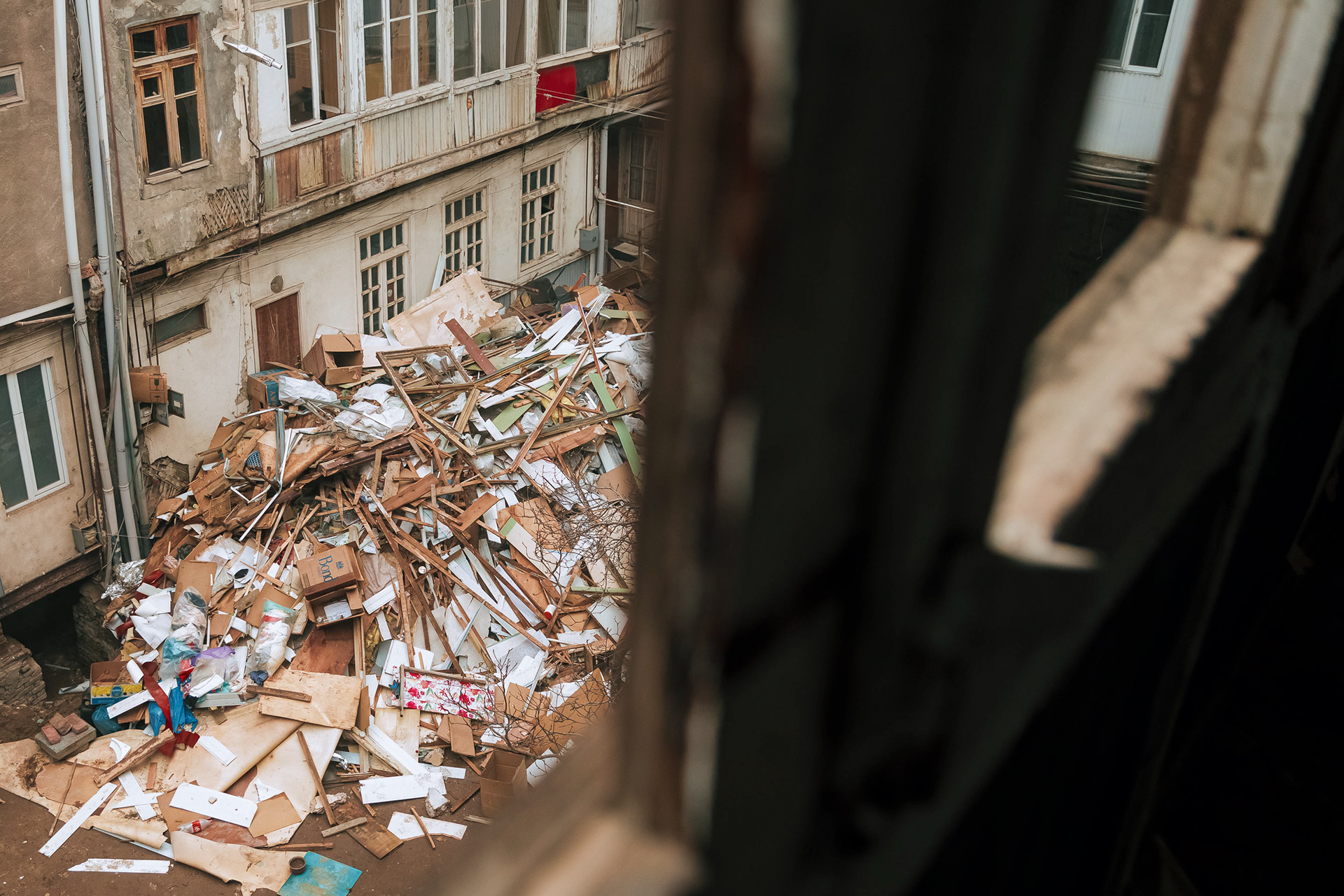
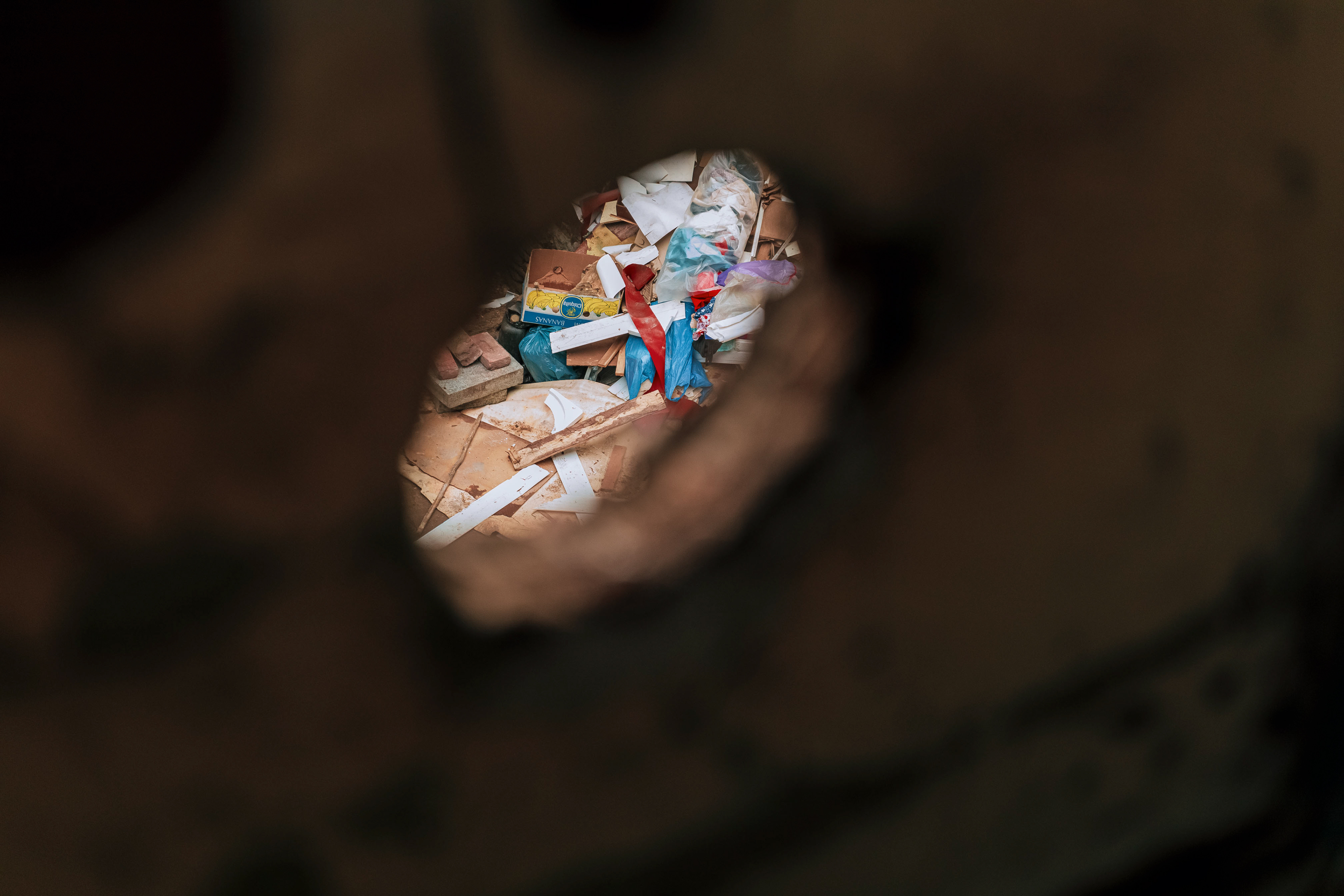
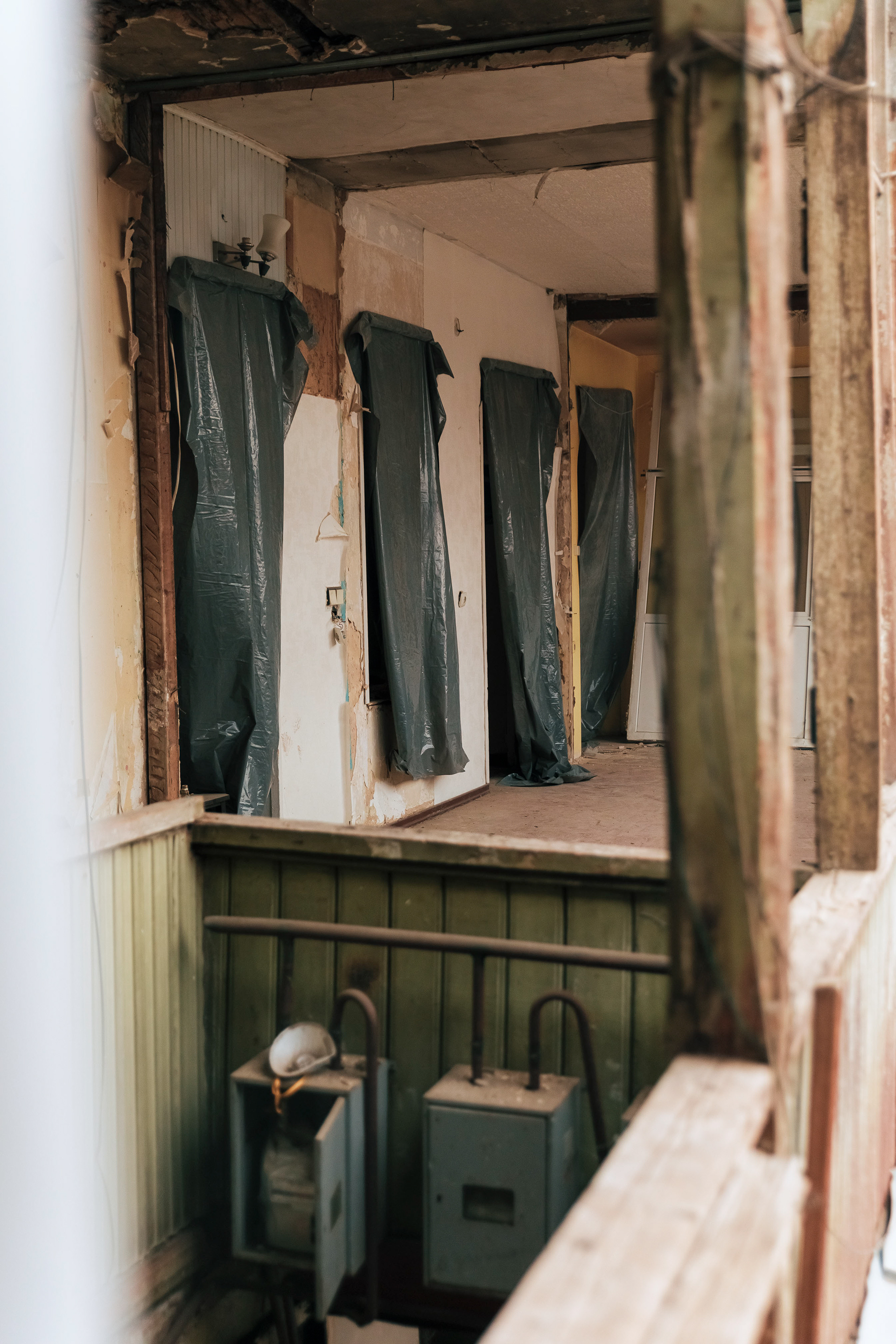
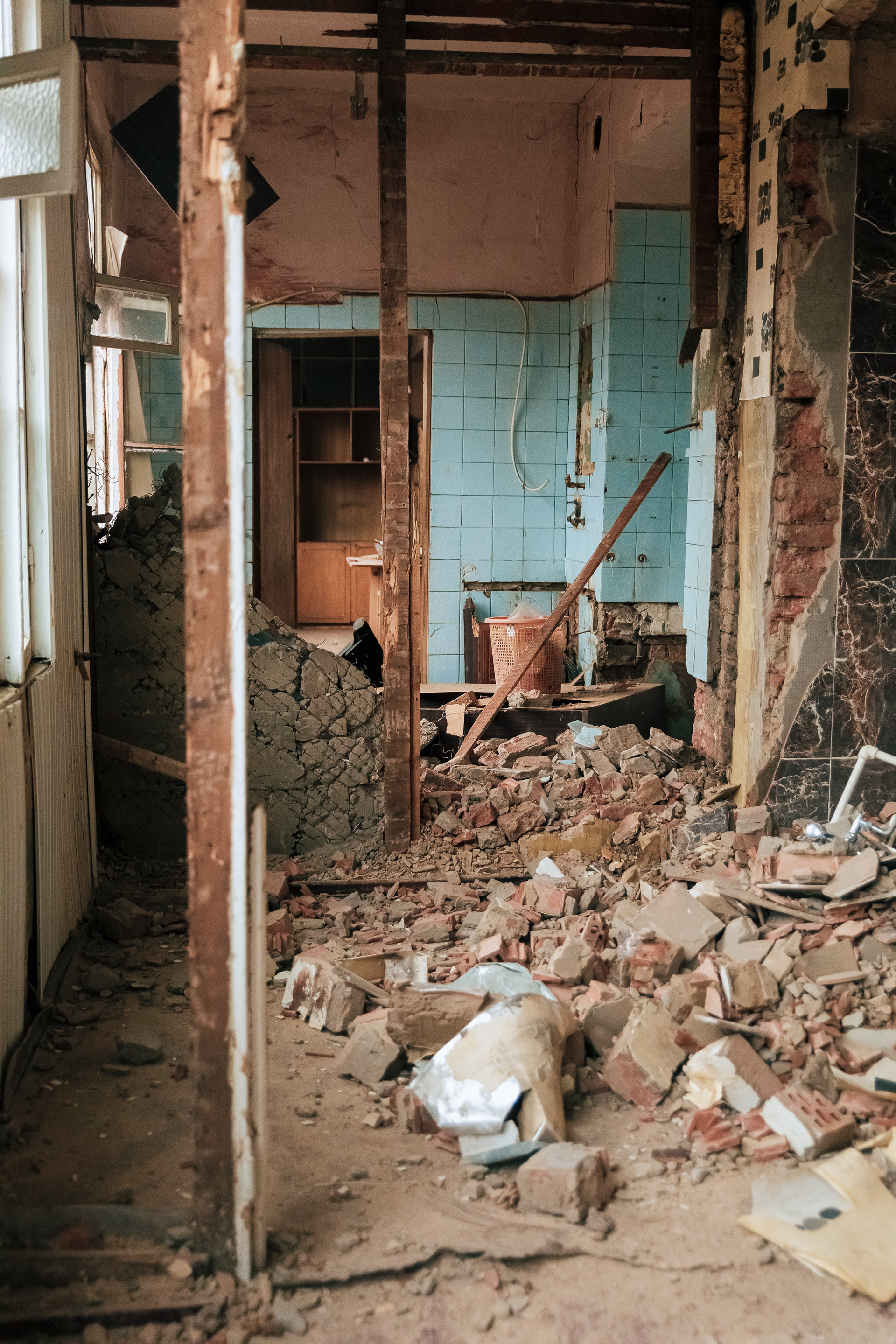
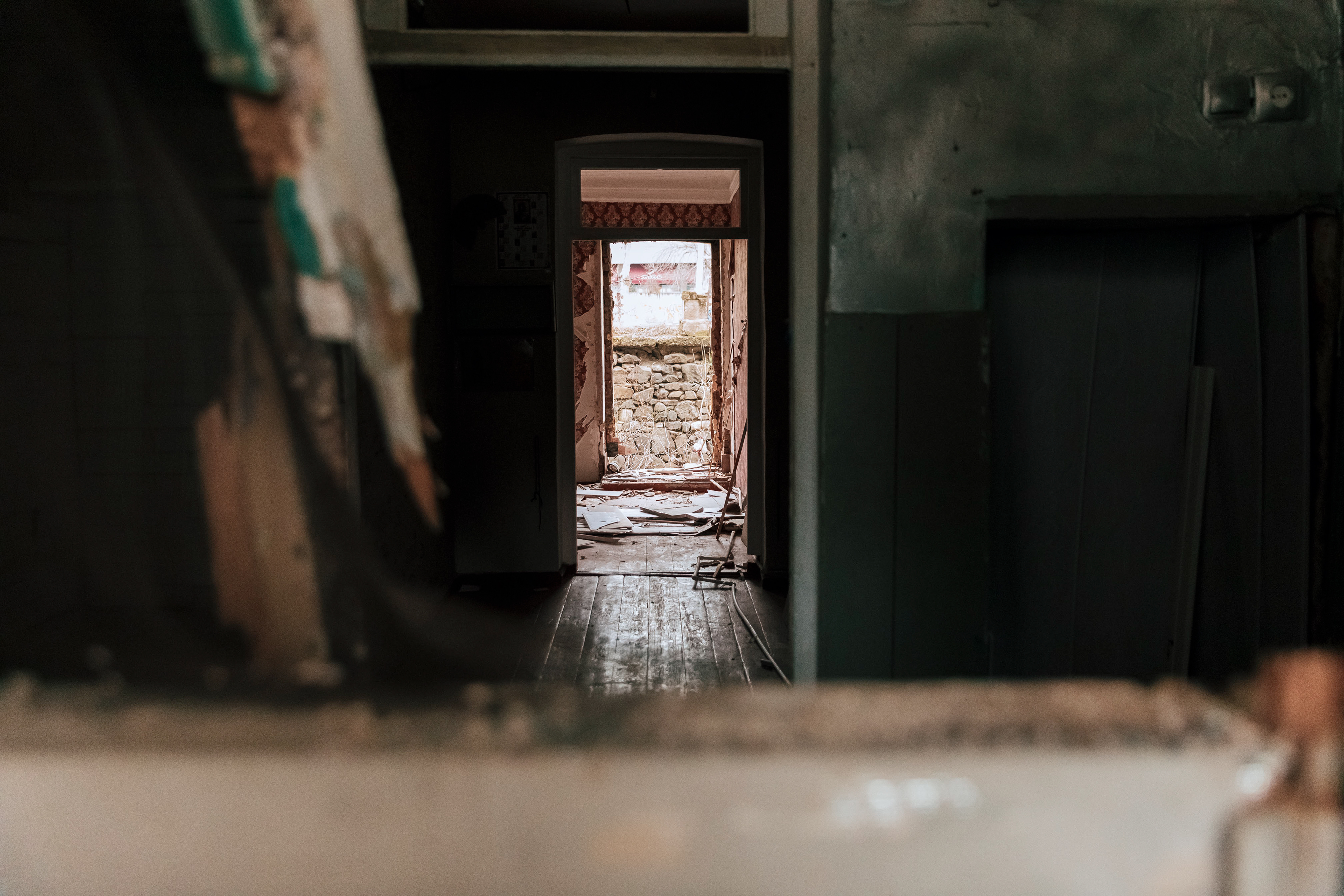
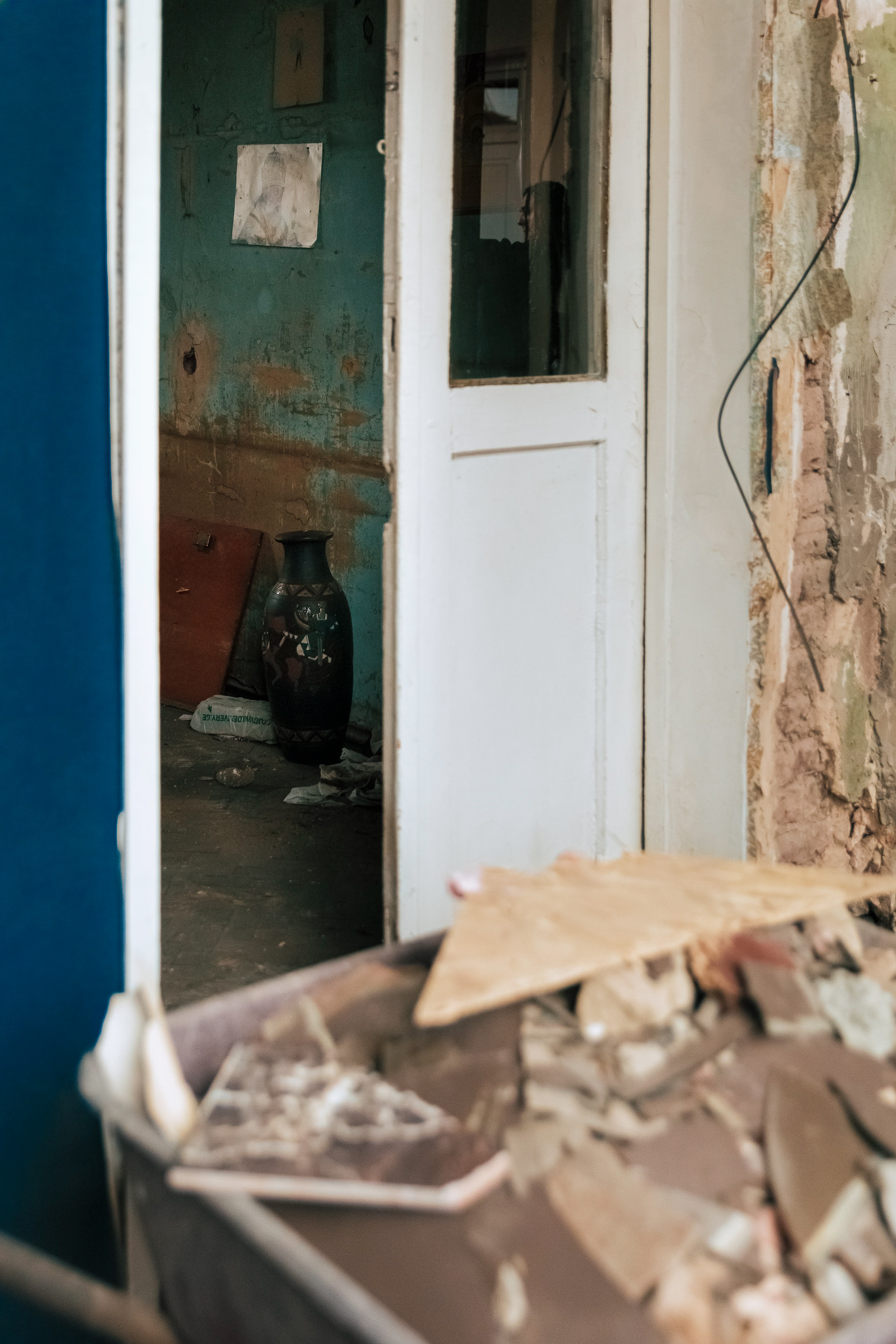
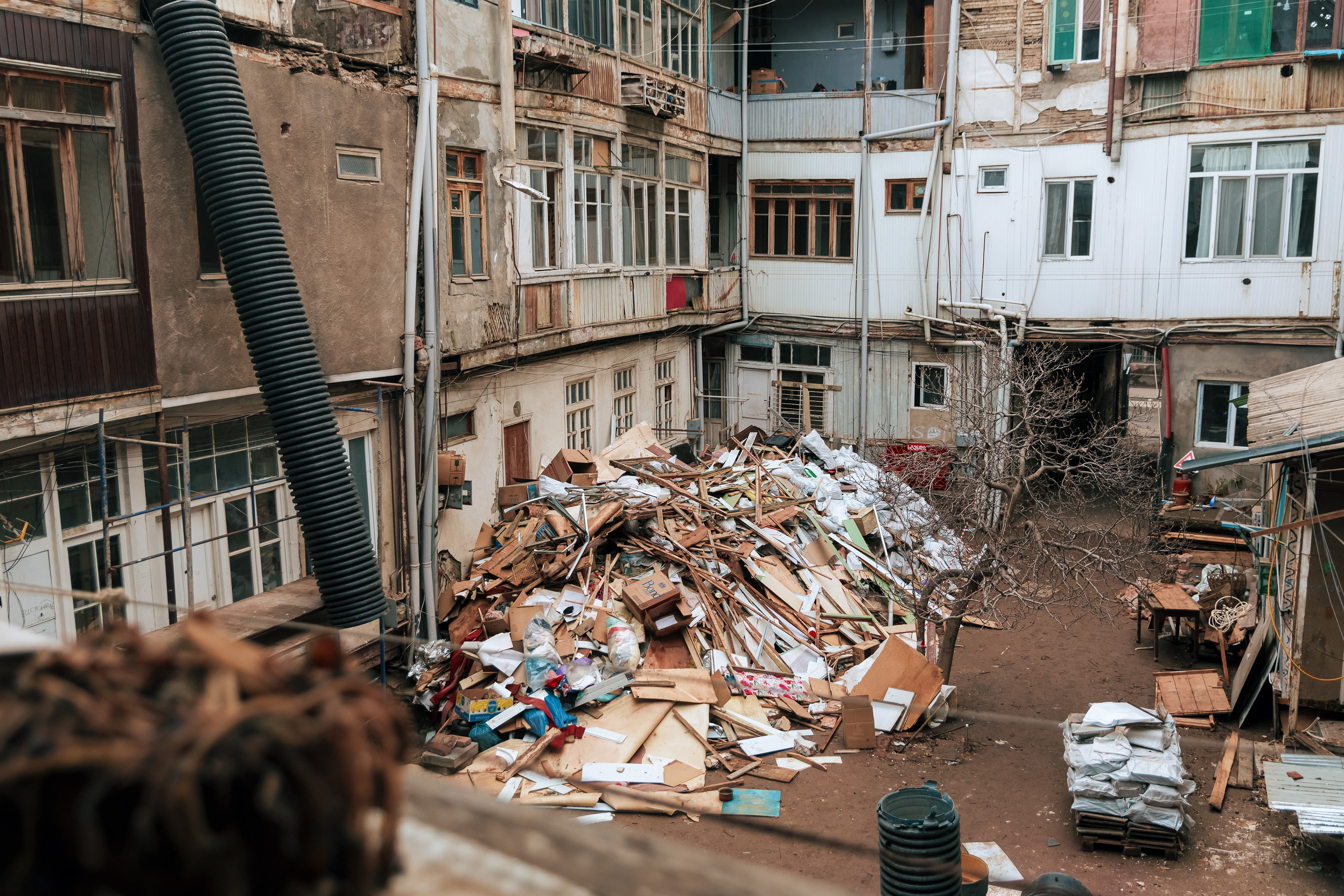
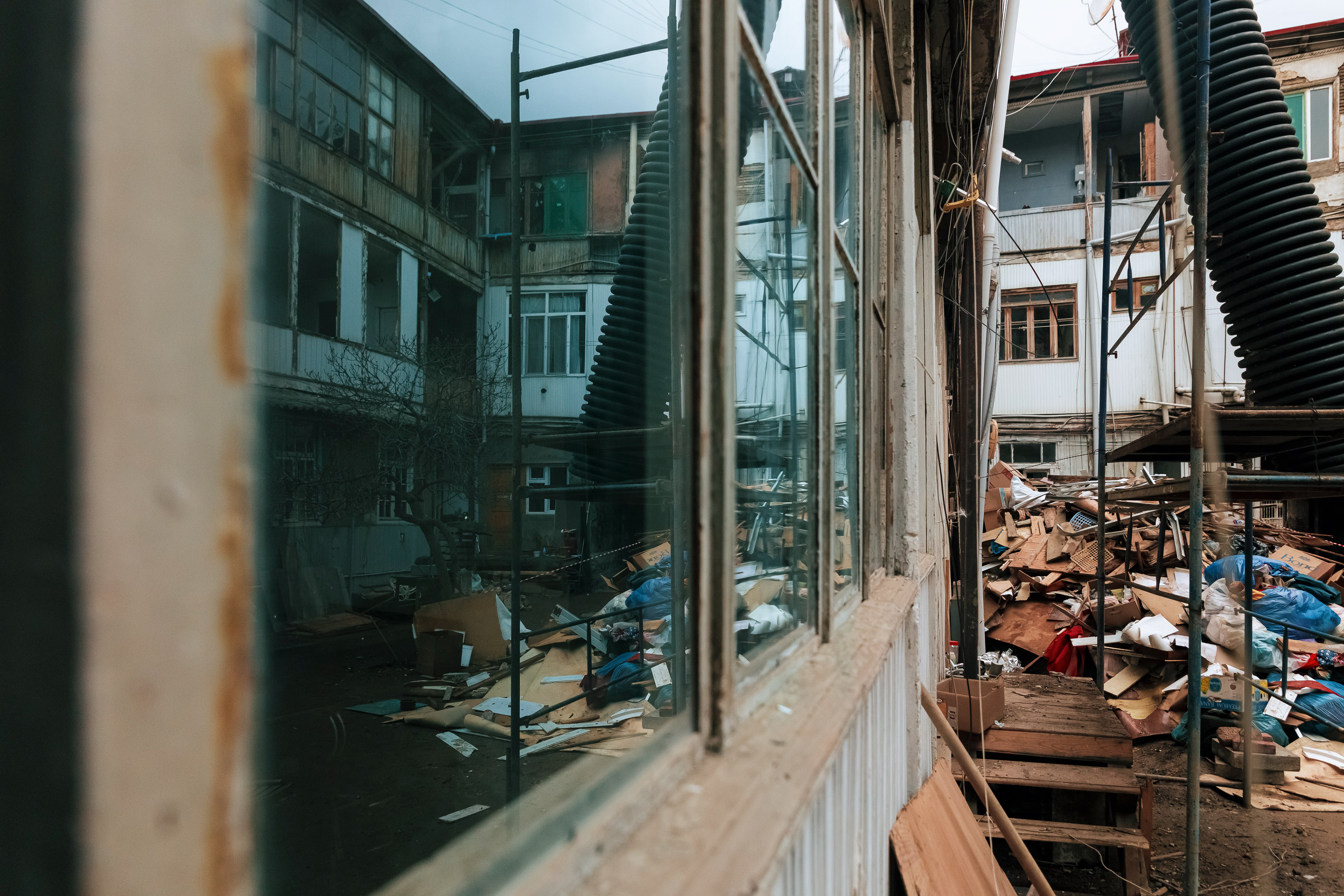
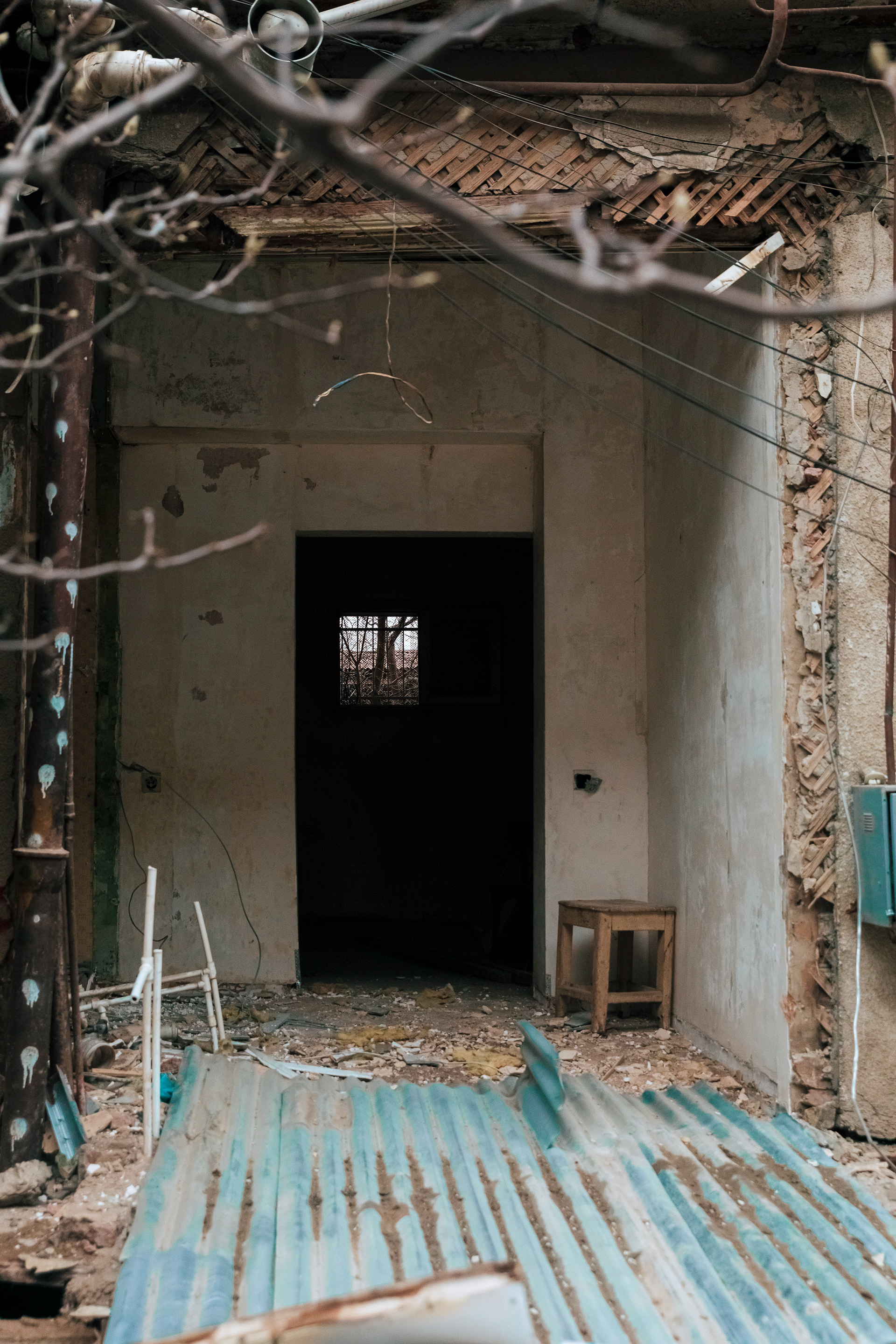
Born in 1862 in the village of Mirzaani, Pirosmani was orphaned early in life and moved to Tbilisi in 1870. A self-taught artist, he made a living by painting signboards for shops and taverns, selling his artworks for very little money, and often bartering his paintings for food and shelter. He struggled financially throughout his life, relying on occasional commissions and the support of friends who recognized his talent. It's said that due to financial constraints, he lived under the stairs in this very house, a space reminiscent of Harry Potter's cupboard under the stairs. Despite his artistic genius, he never gained financial stability and died in poverty, only to be appreciated long after his death.
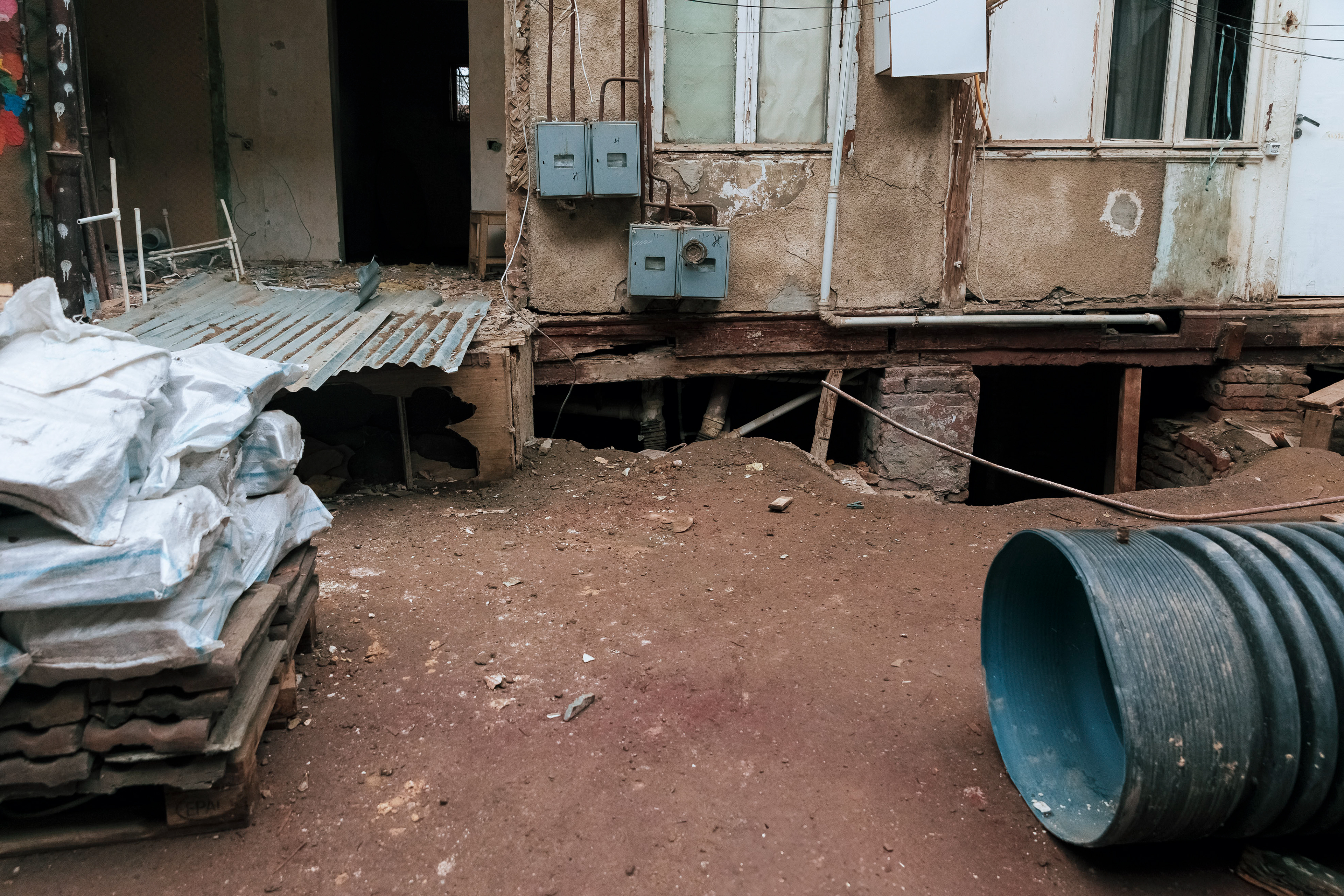
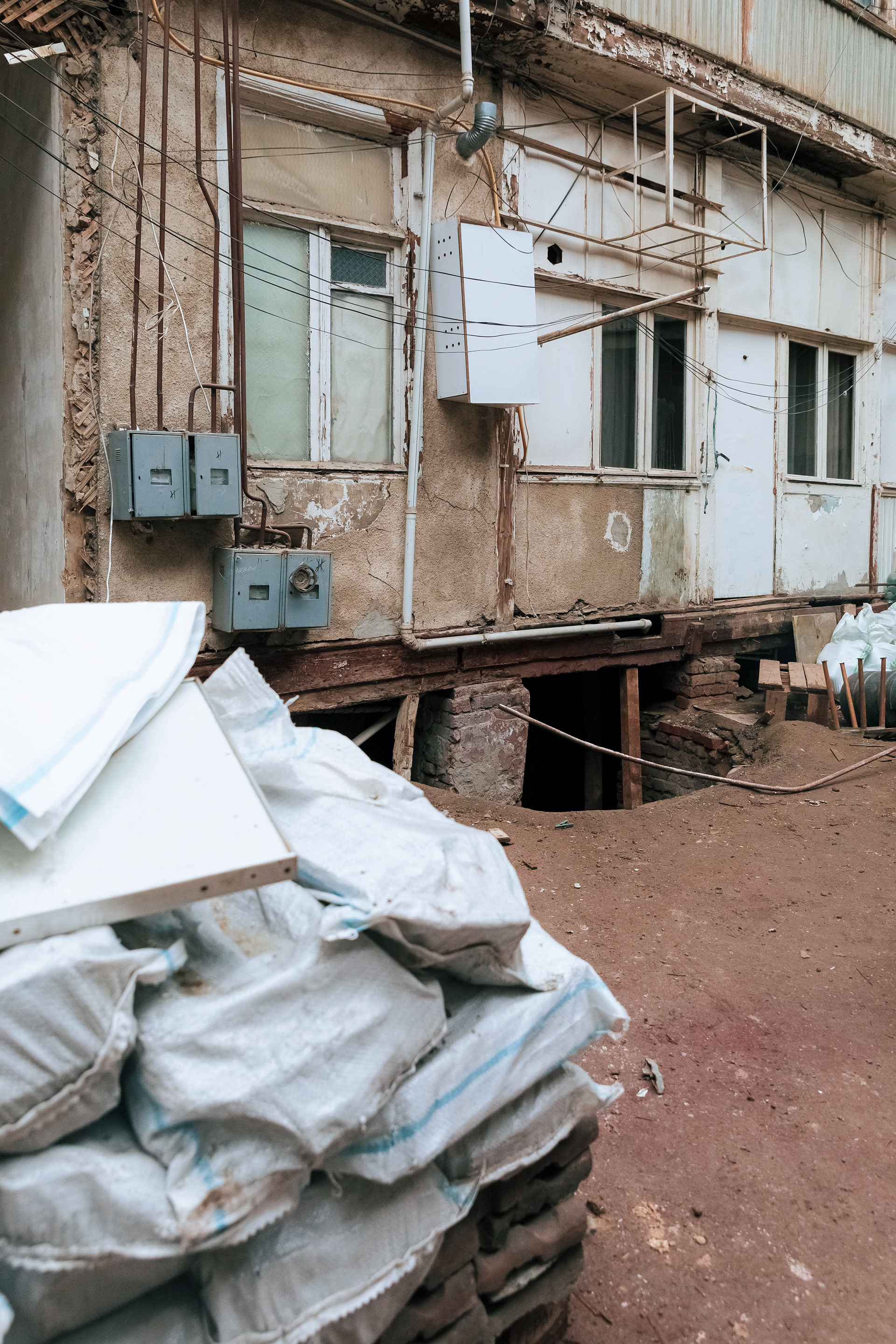
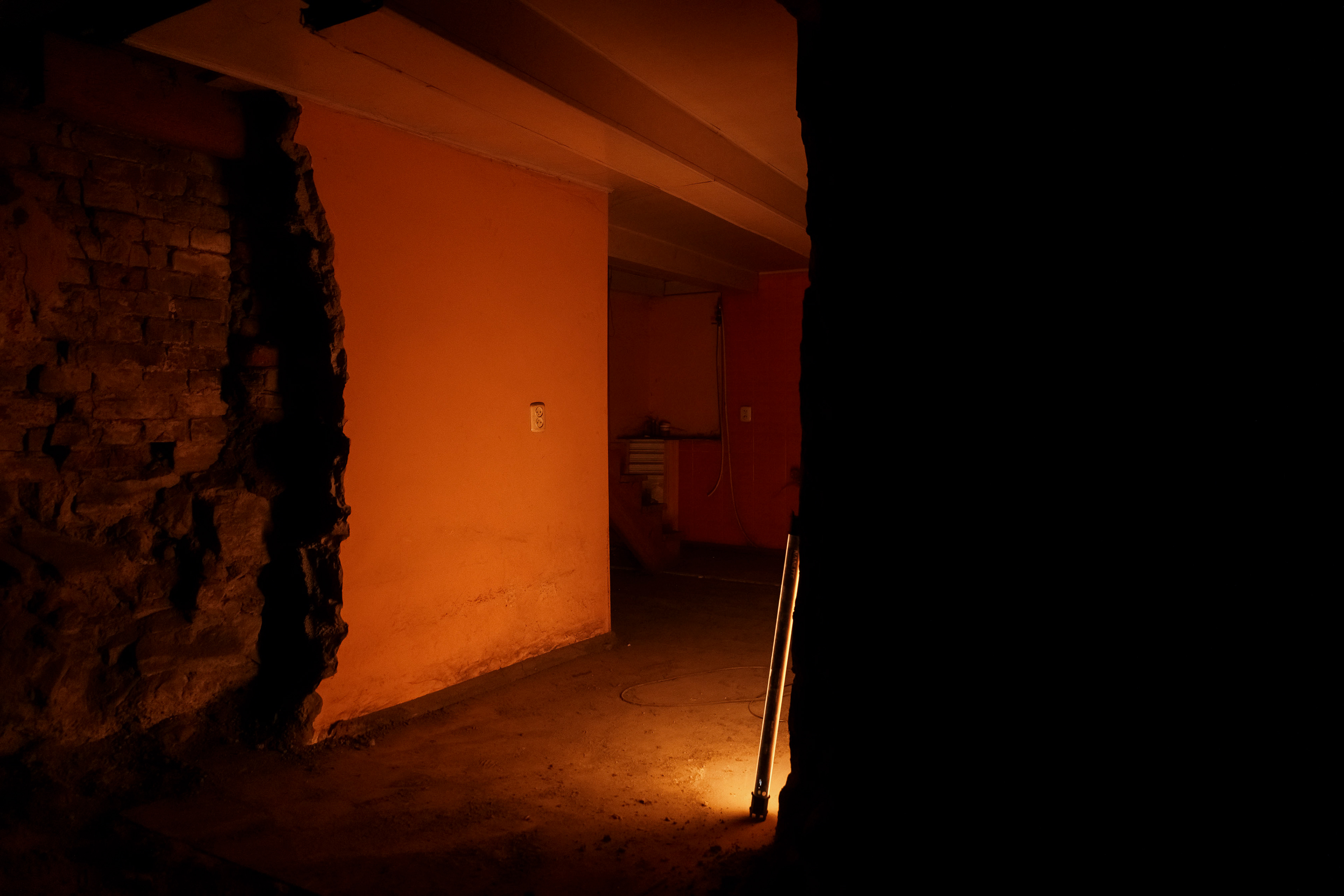
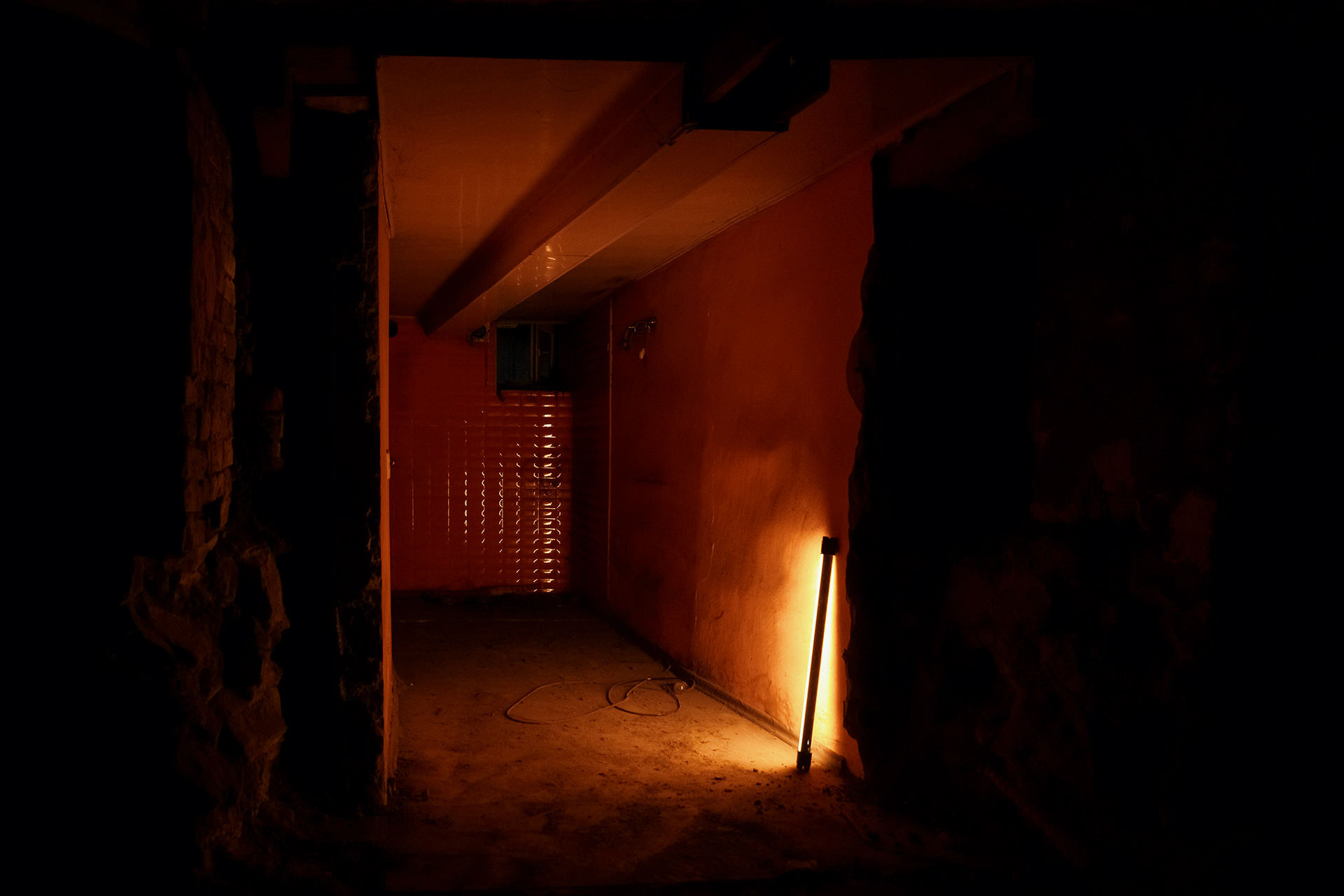
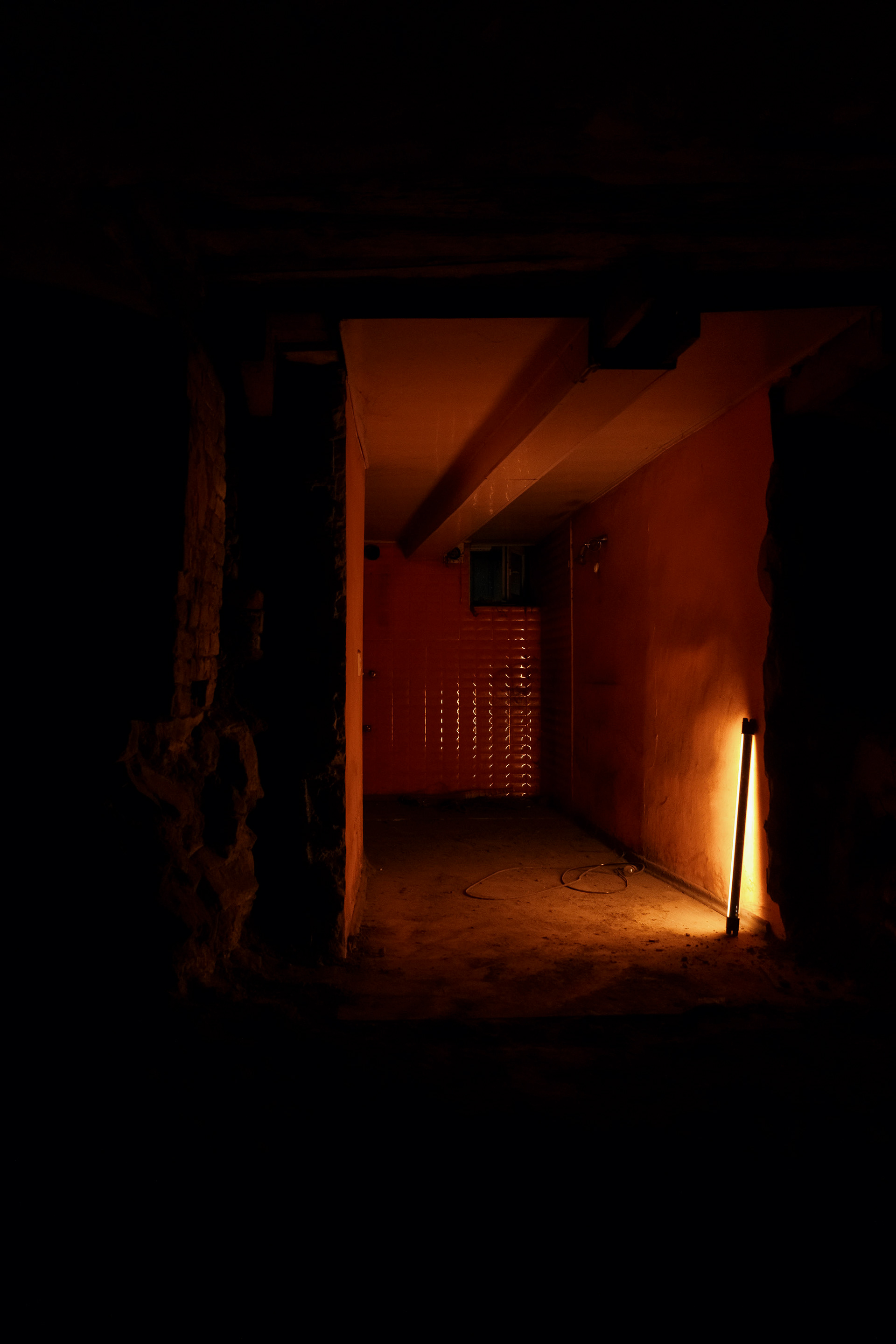
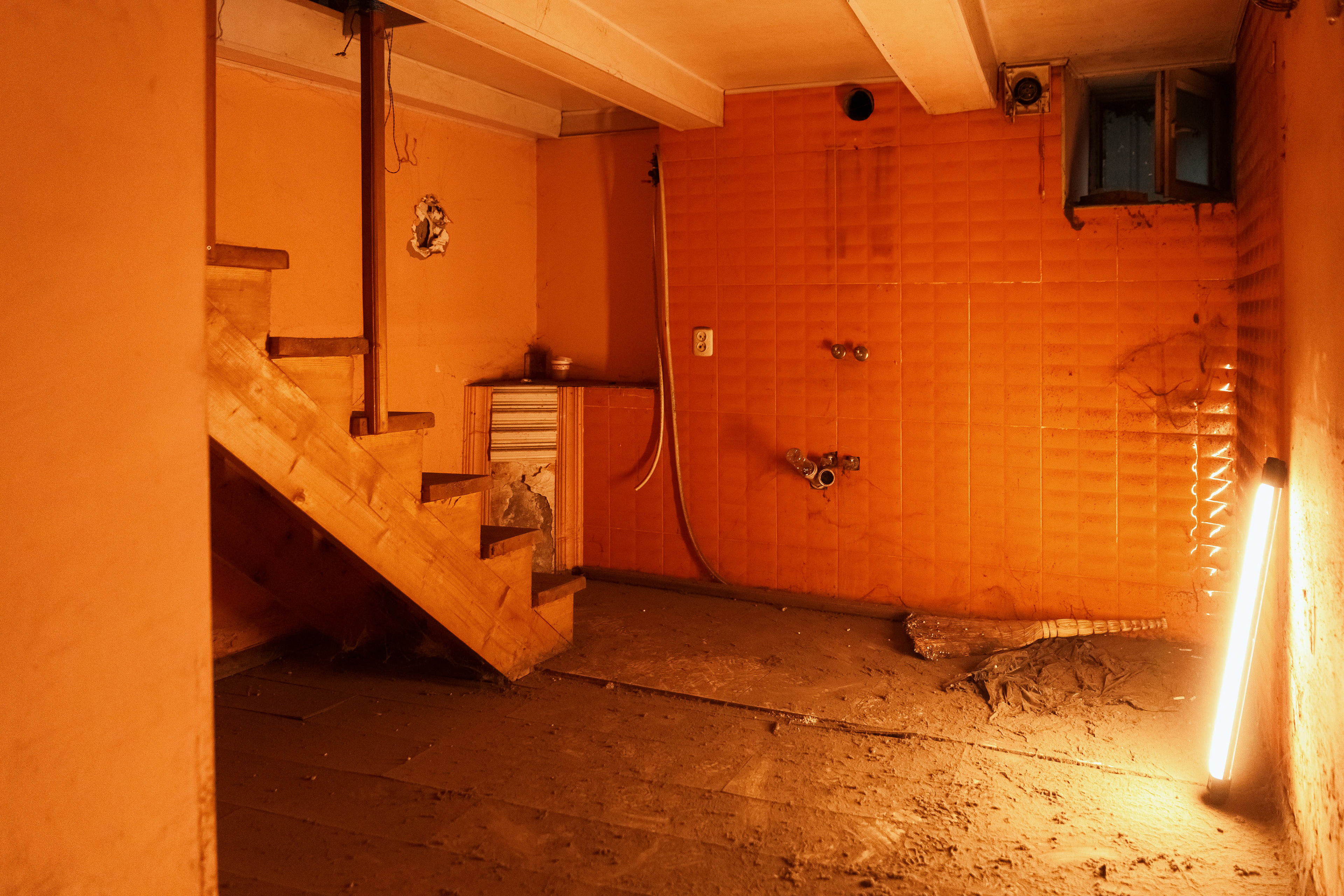
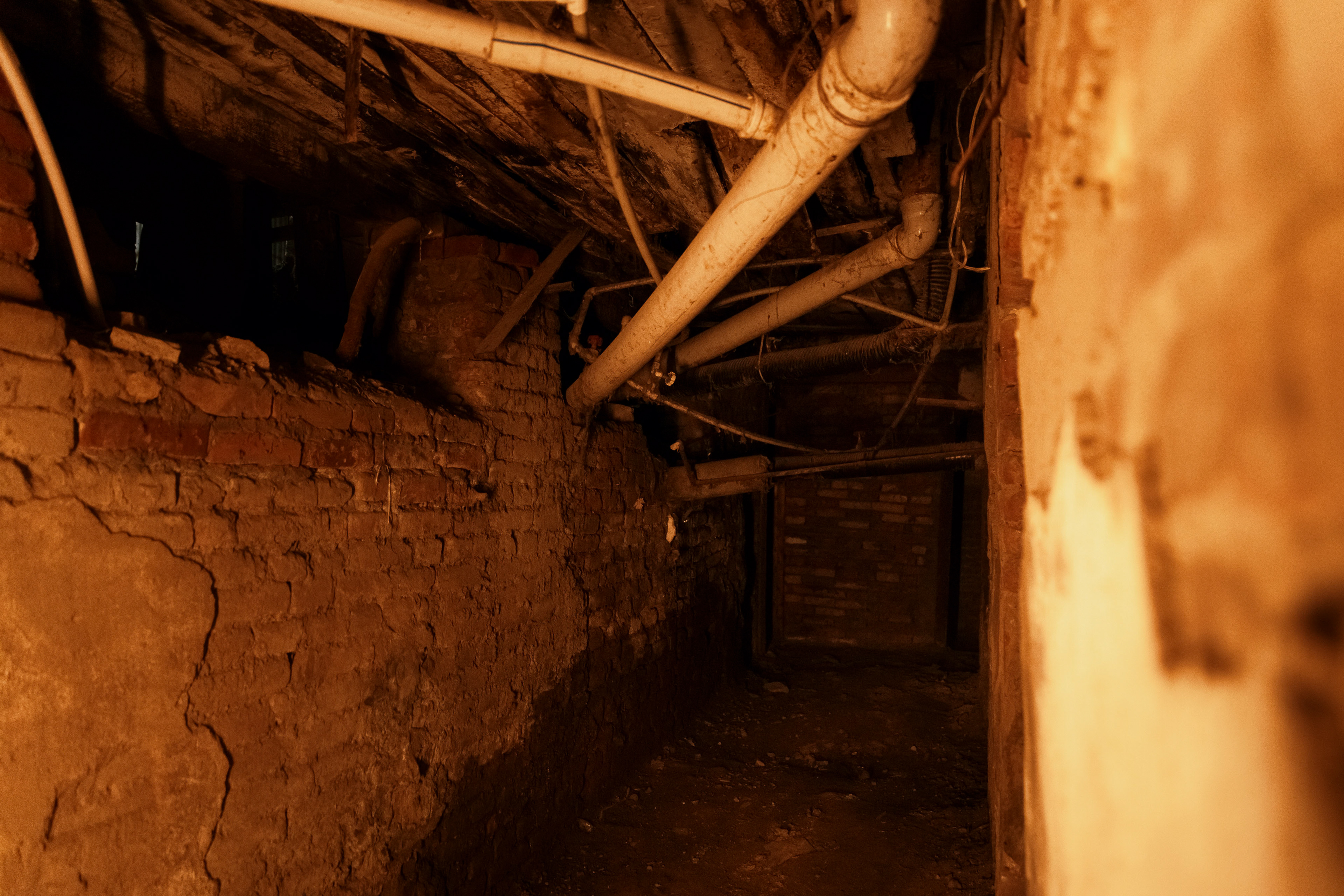
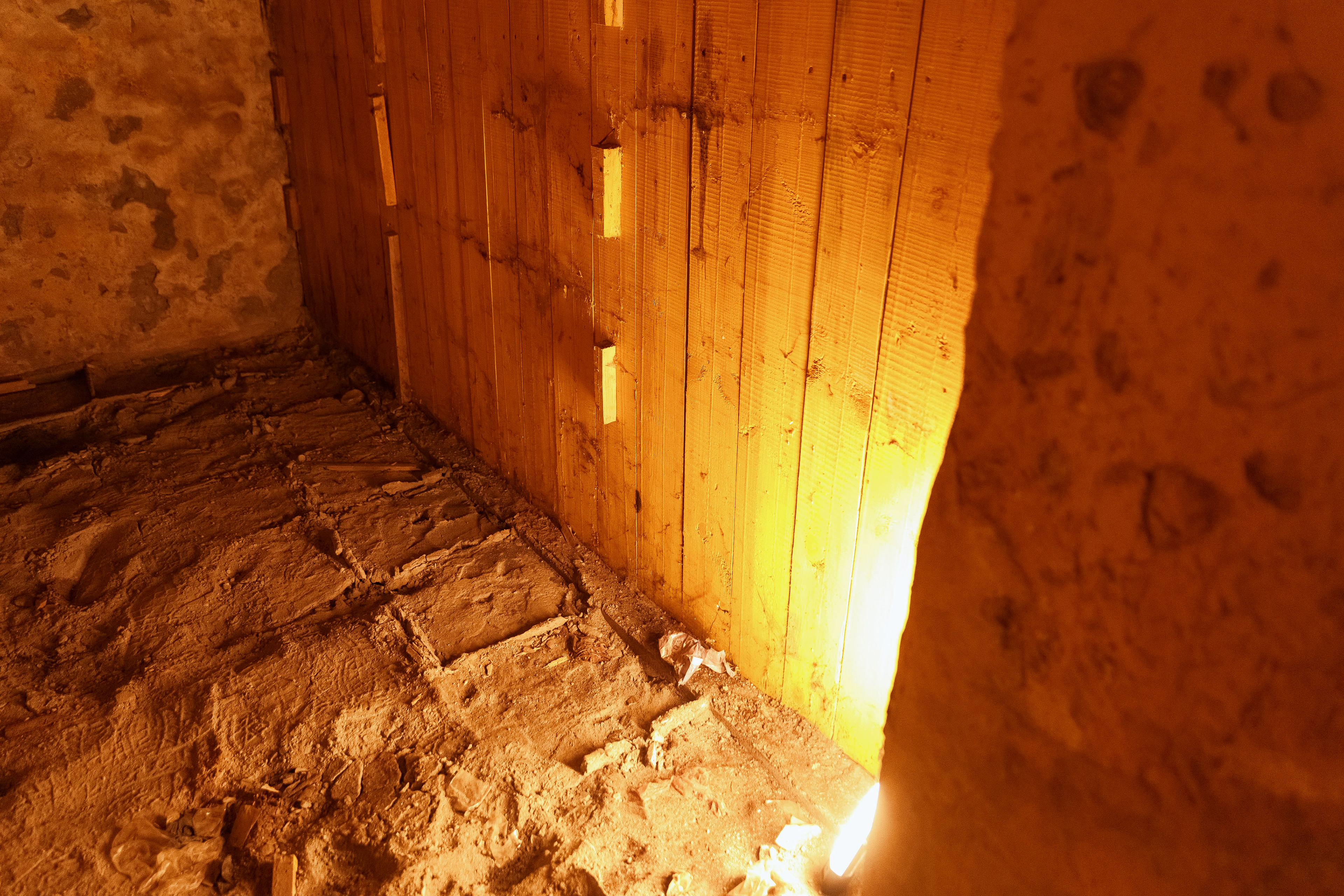
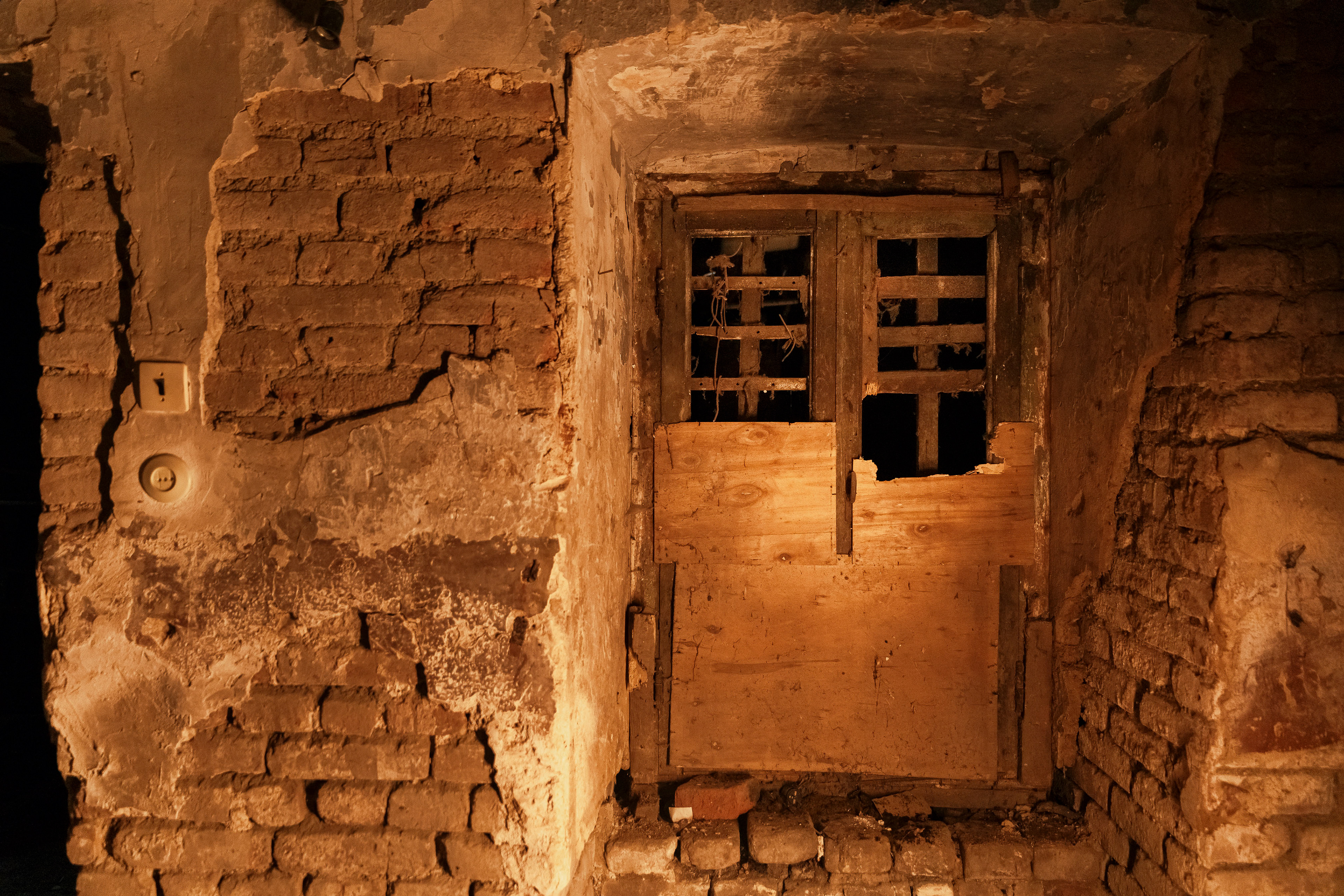
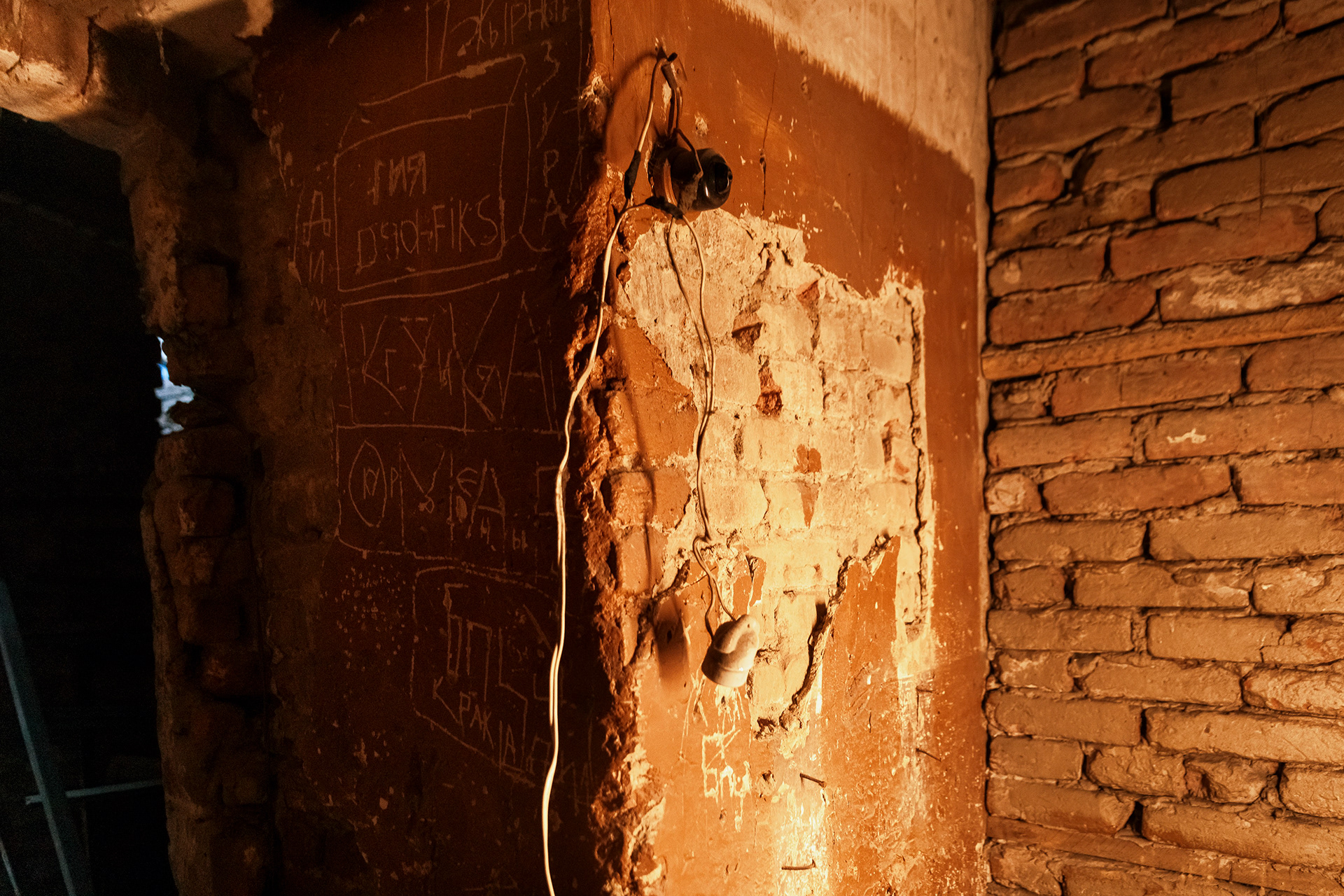
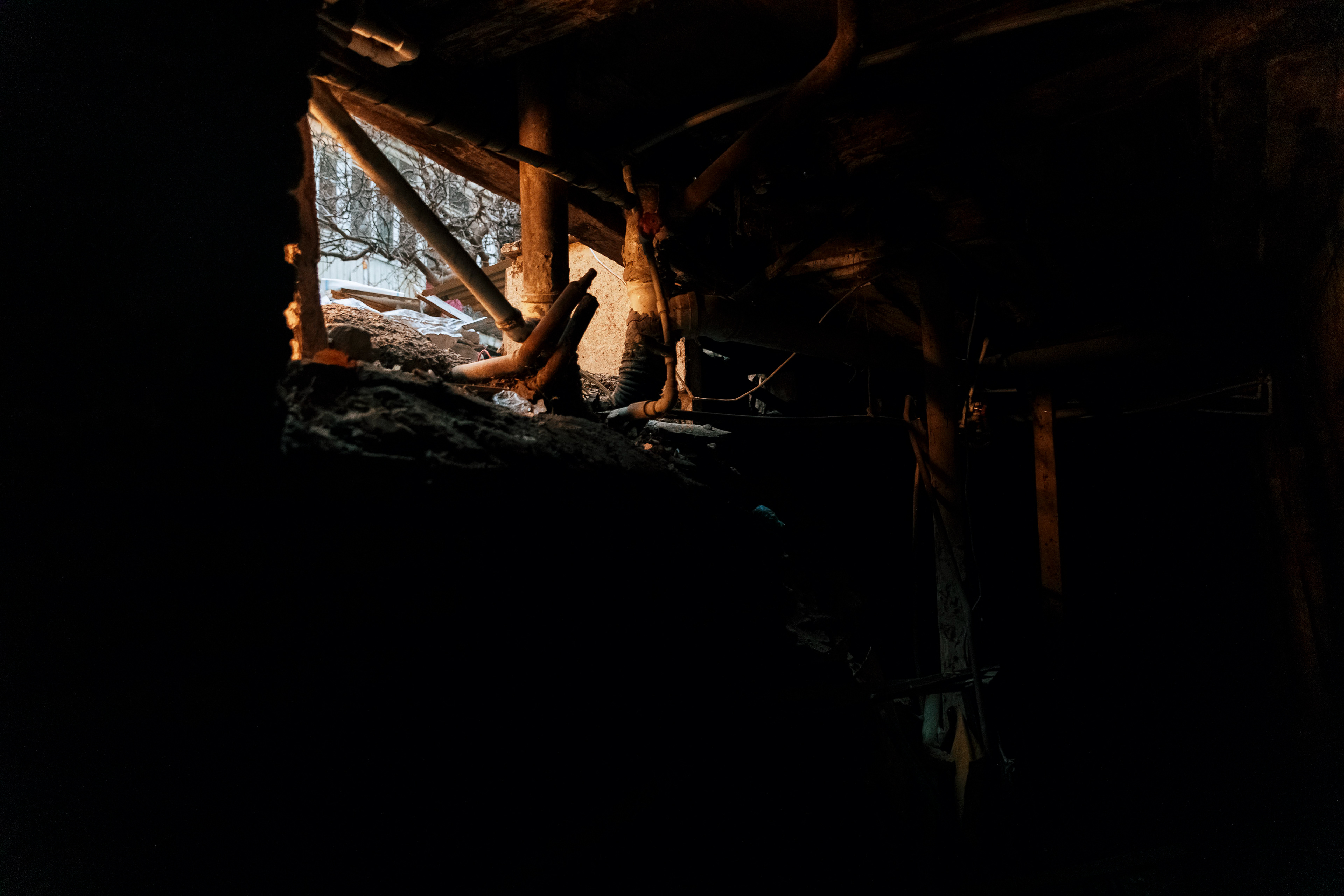
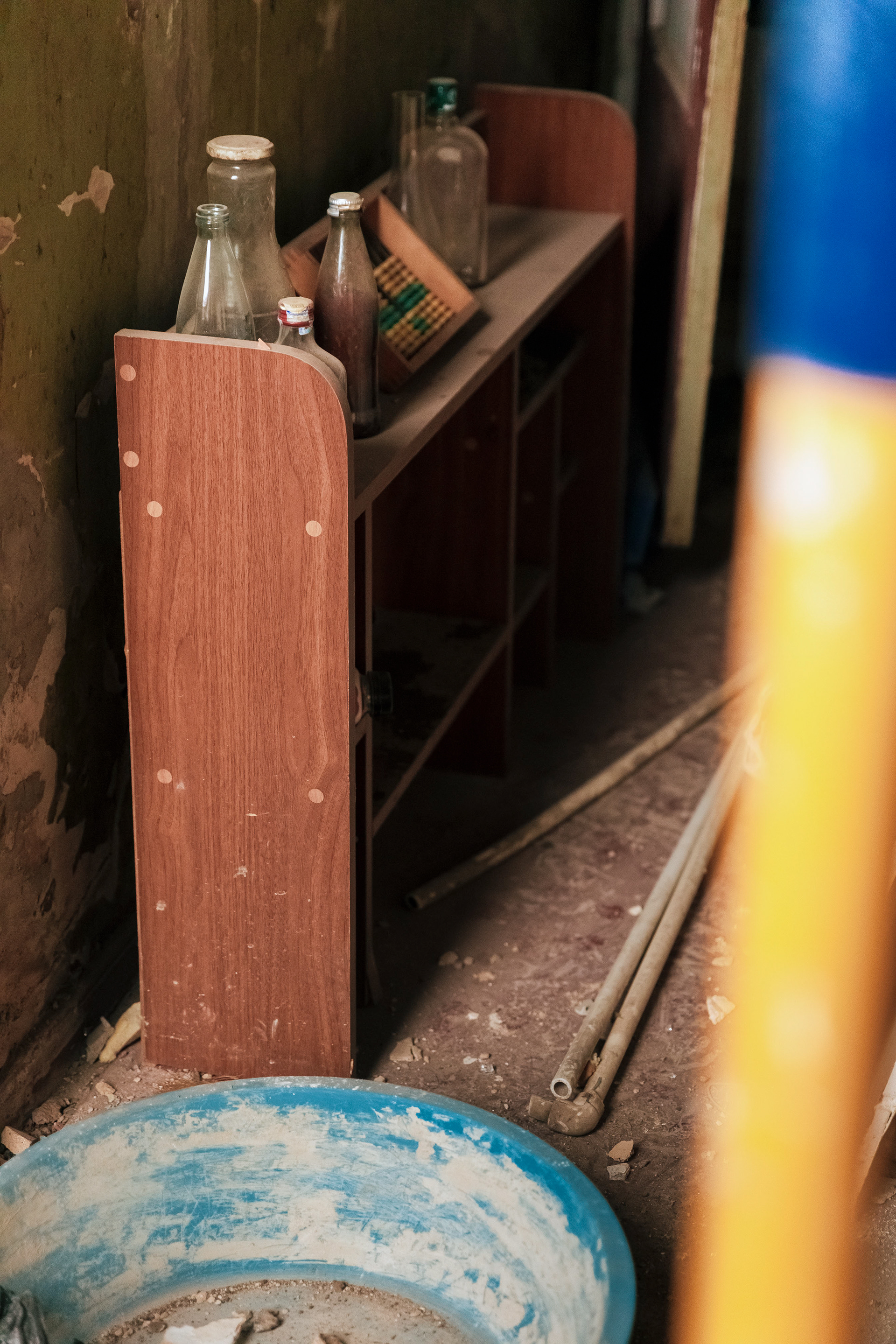
I took my camera out not just to document, but to remember. To hold onto the details—the way the light falls on the cracked wooden doors, the whispers of the past hidden in peeling paint, the stories embedded in the textures of a place that once breathed with life. I wonder if Pirosmani himself ever looked out from these balconies, searching for inspiration in the same streets that are now shifting before our eyes. He painted moments that might have otherwise been forgotten, much like I am trying to do now with my photographs.
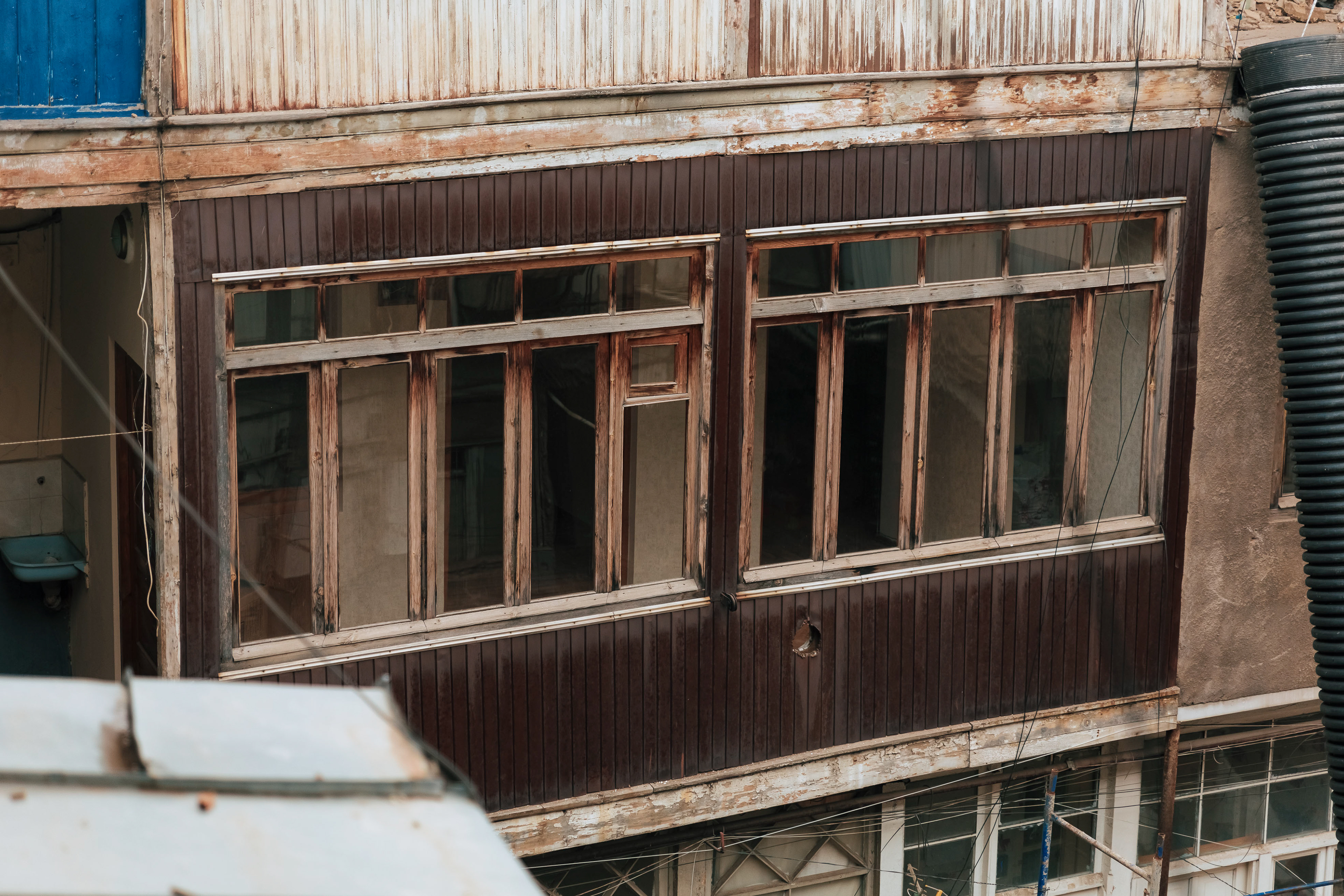
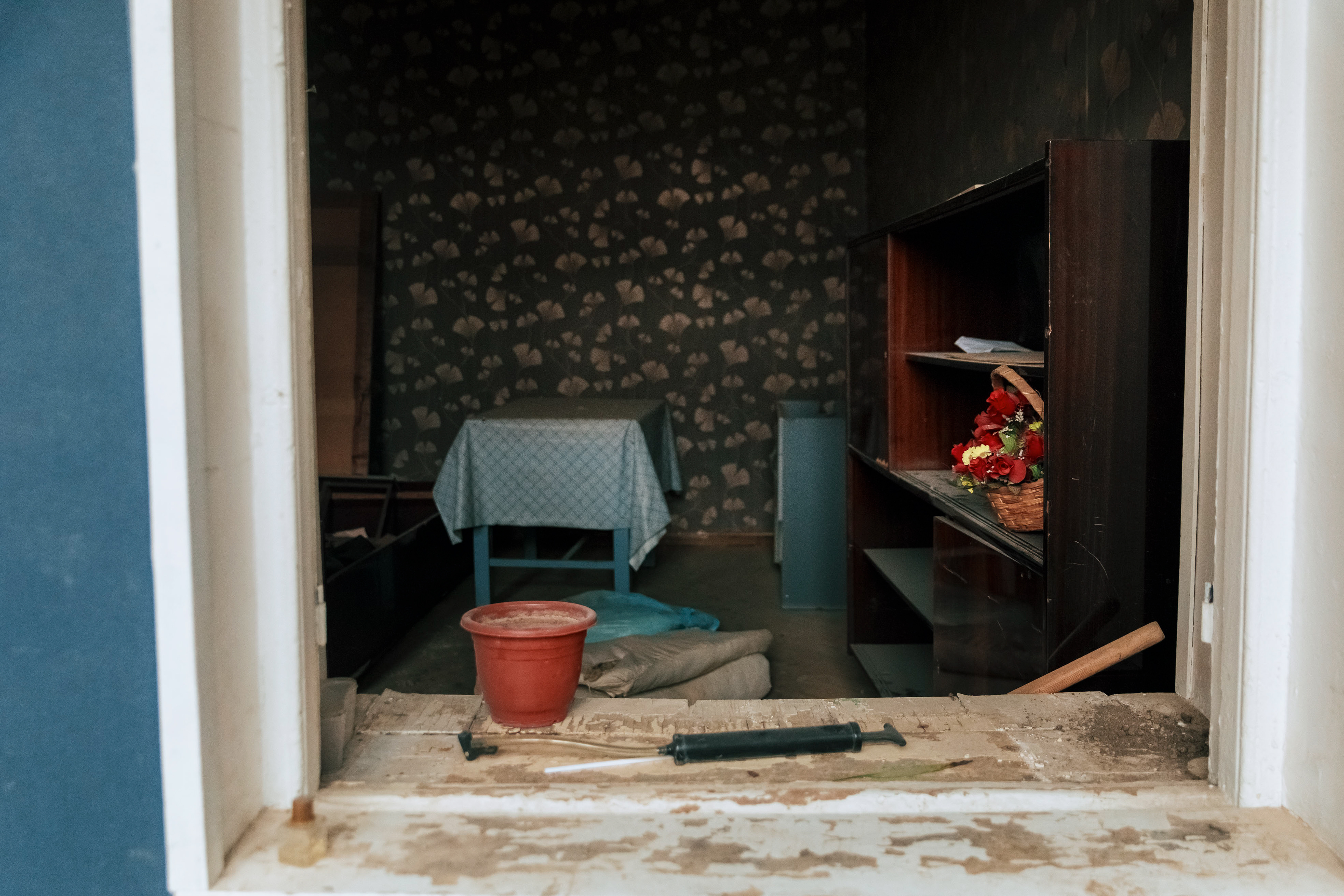
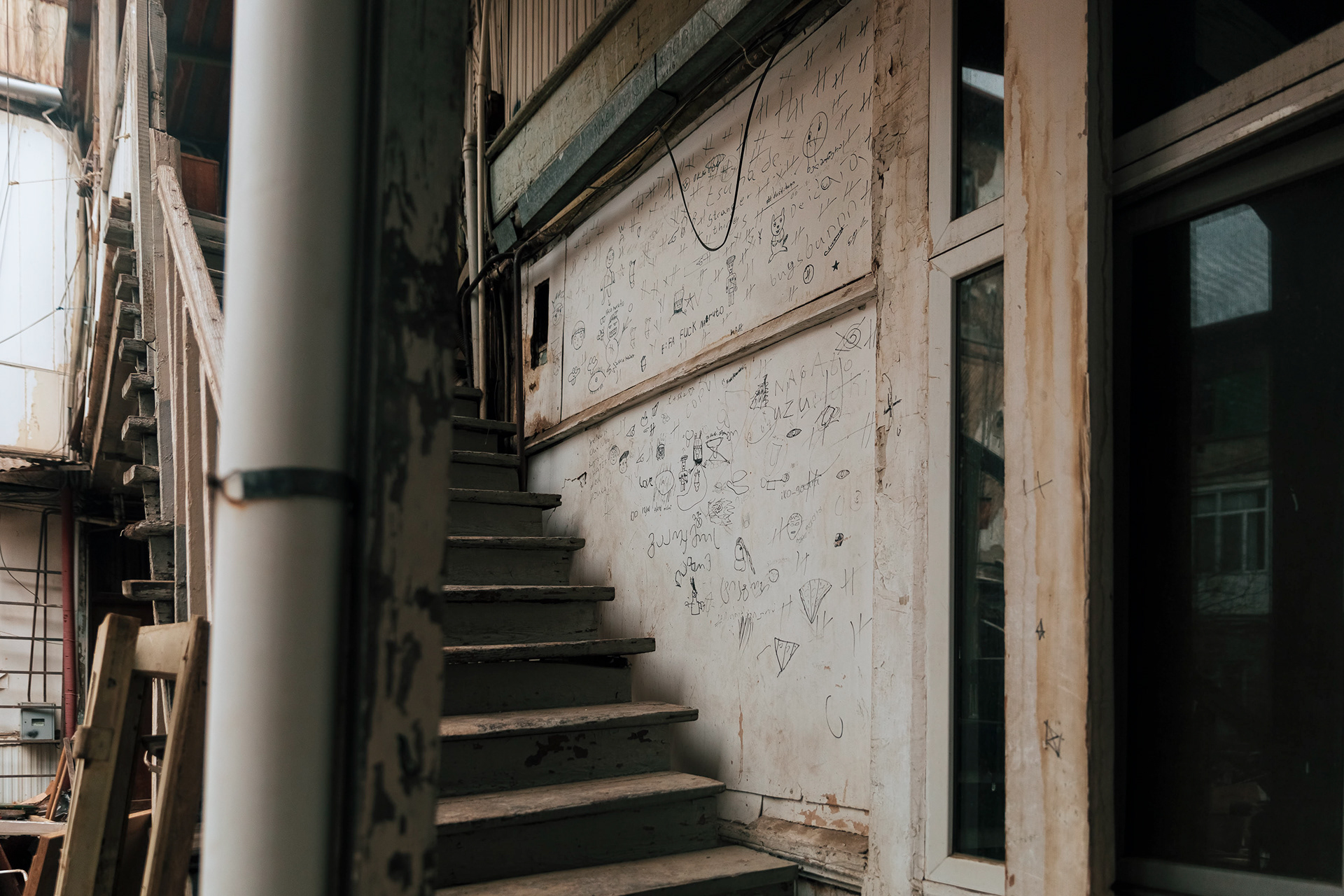
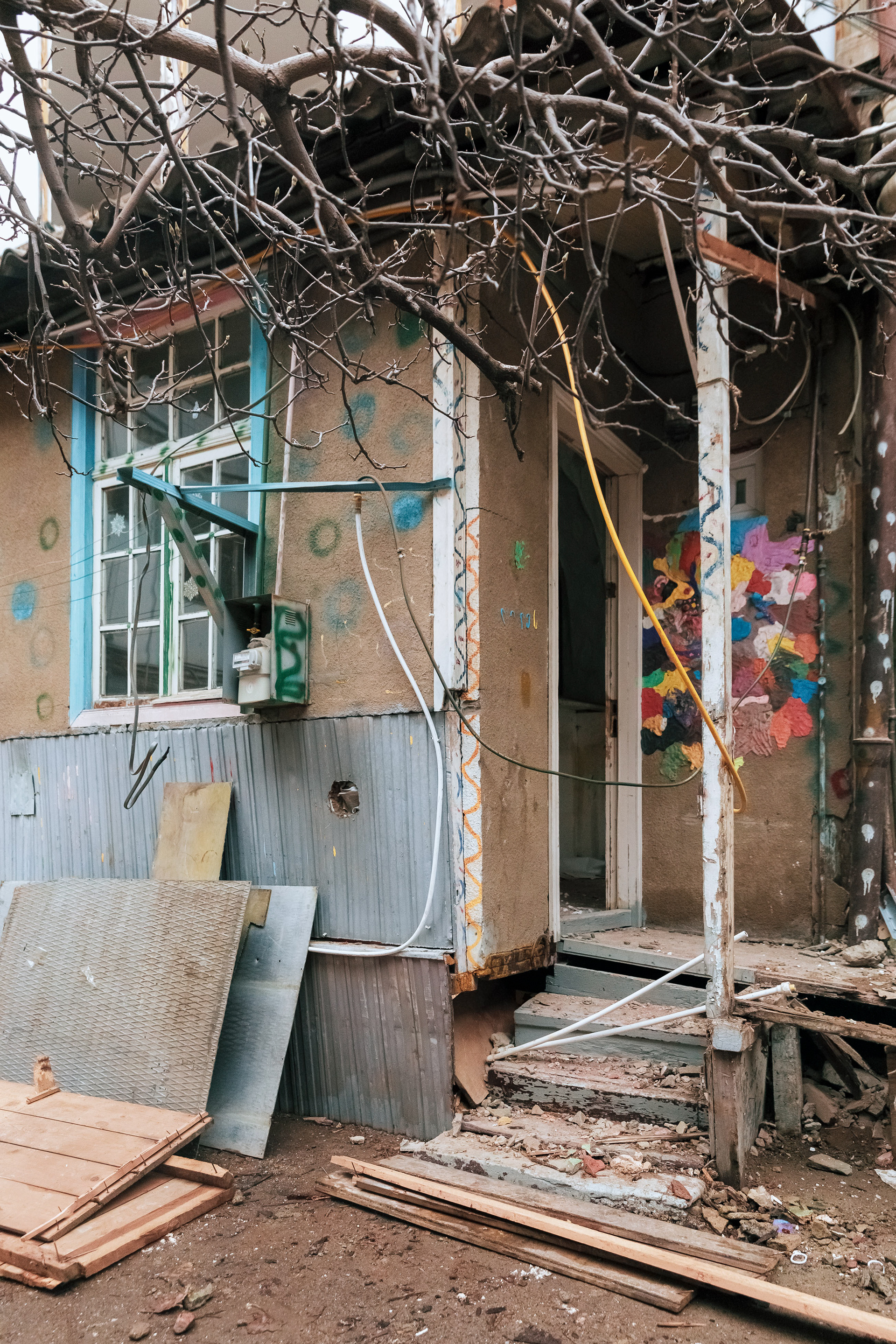
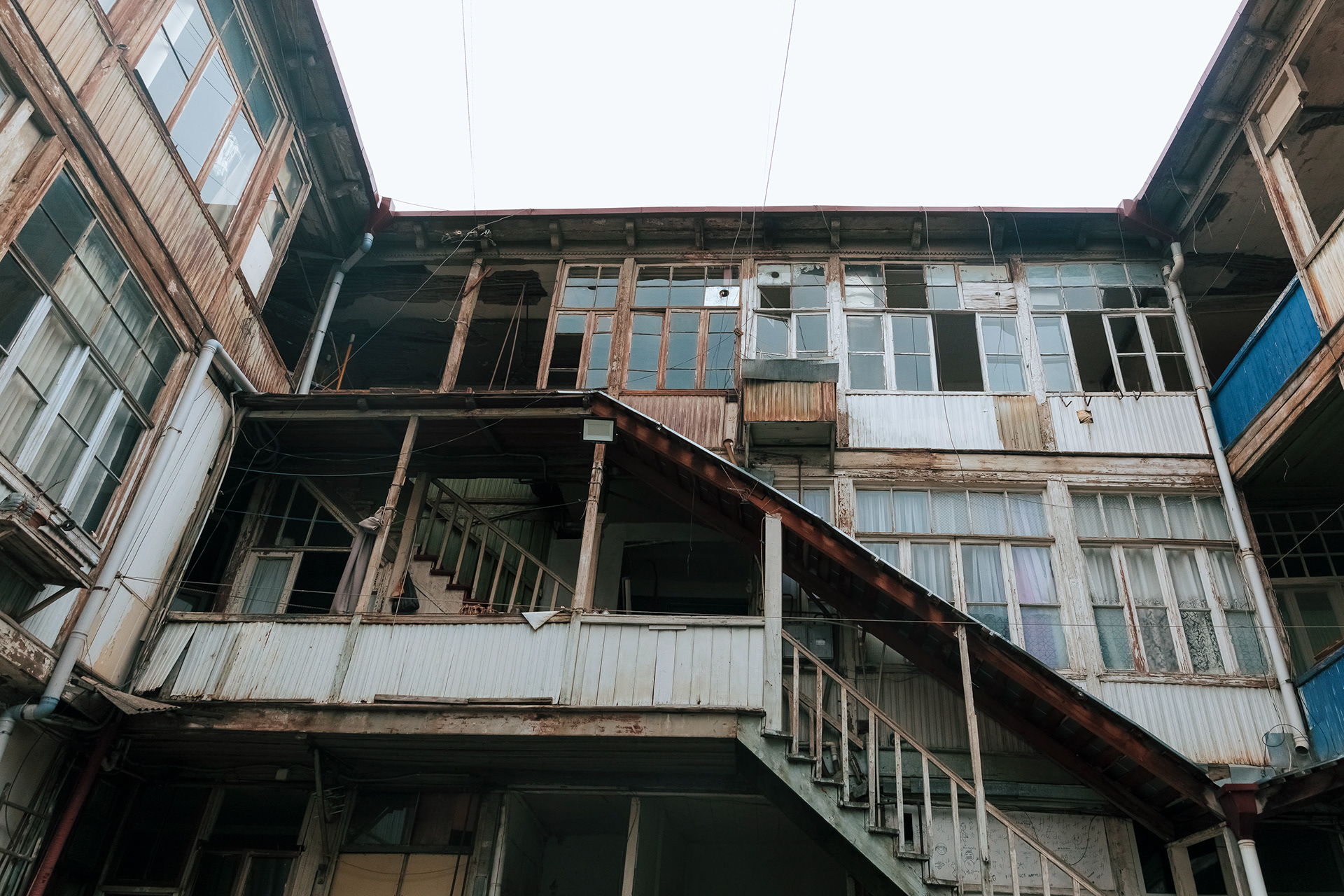
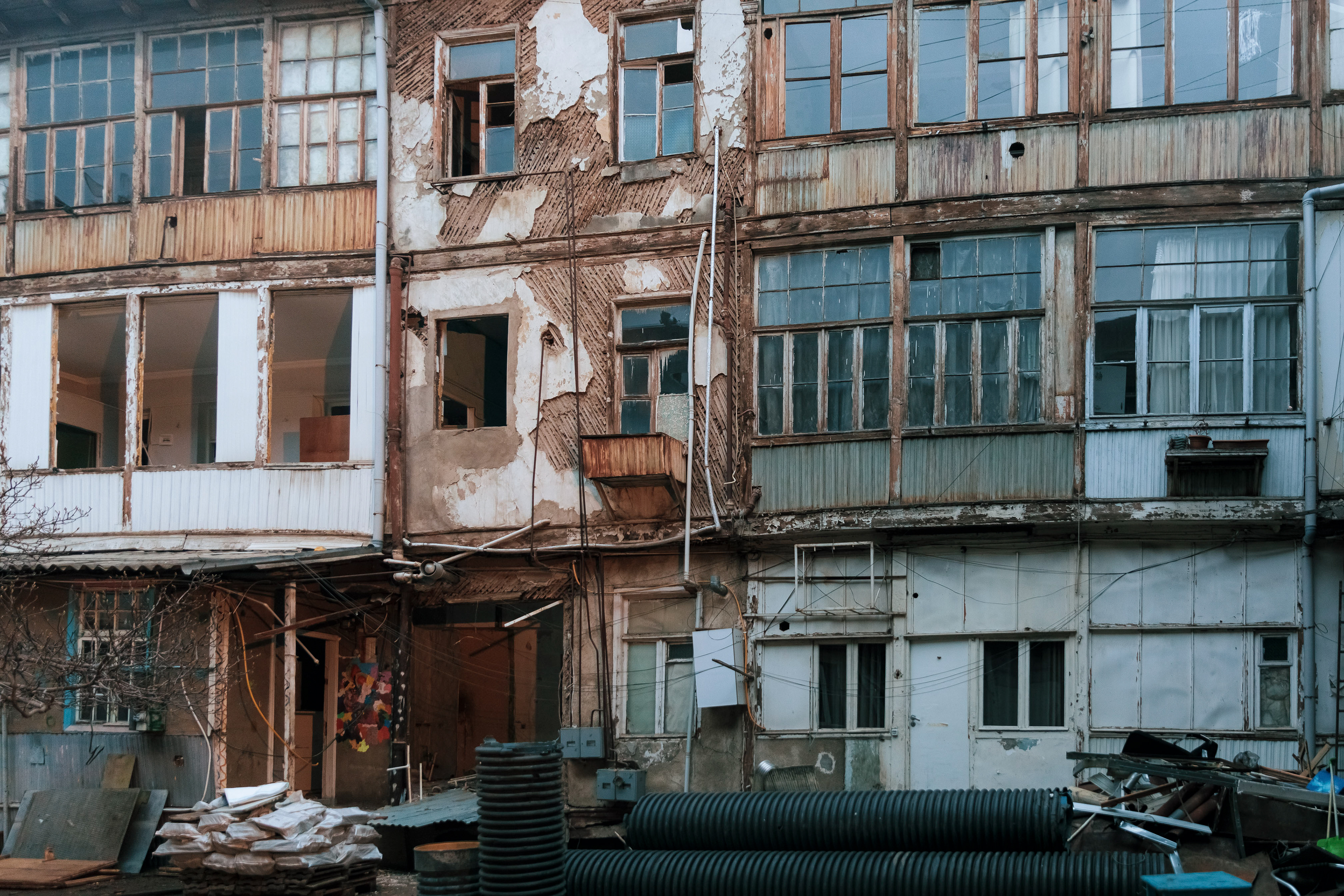
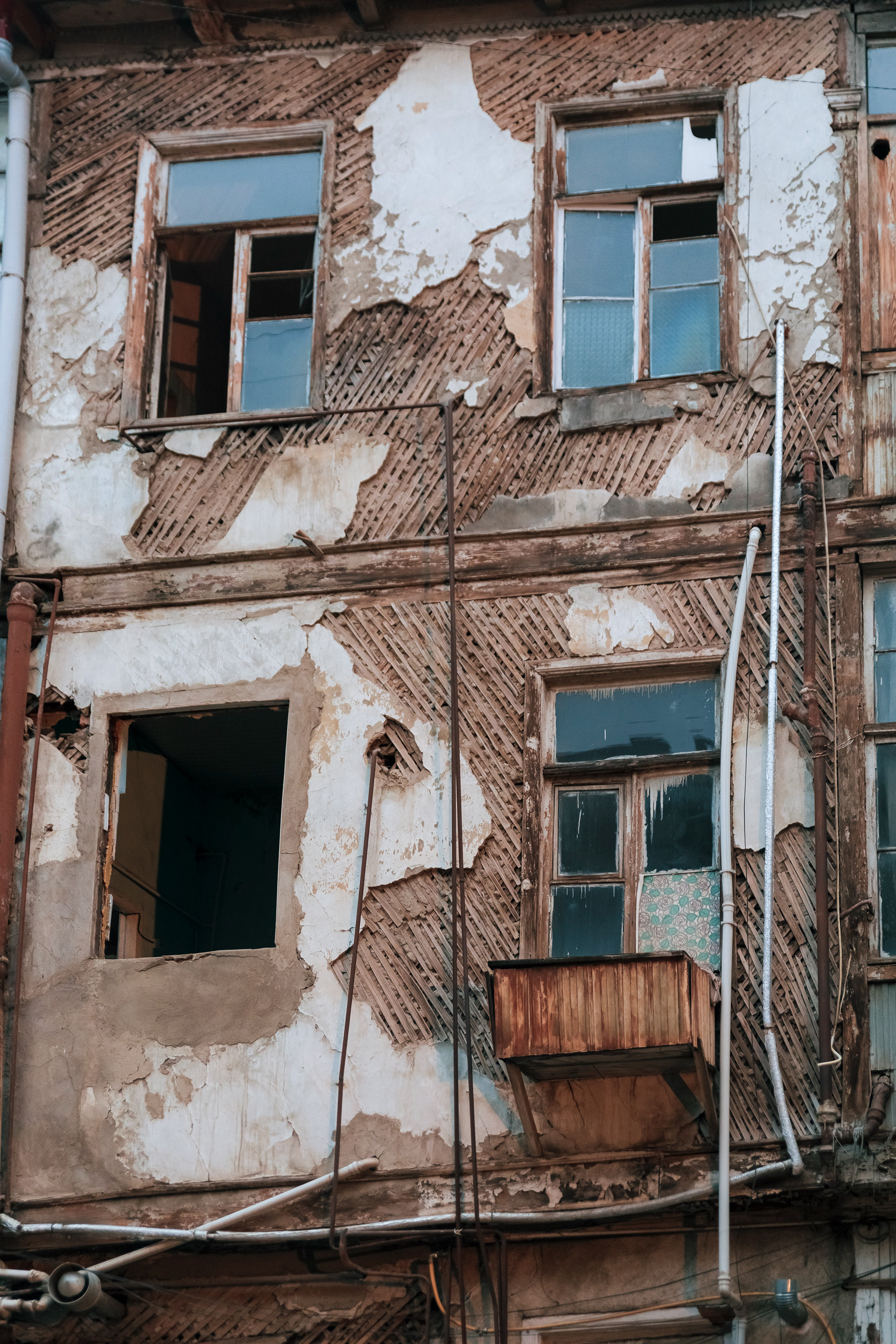
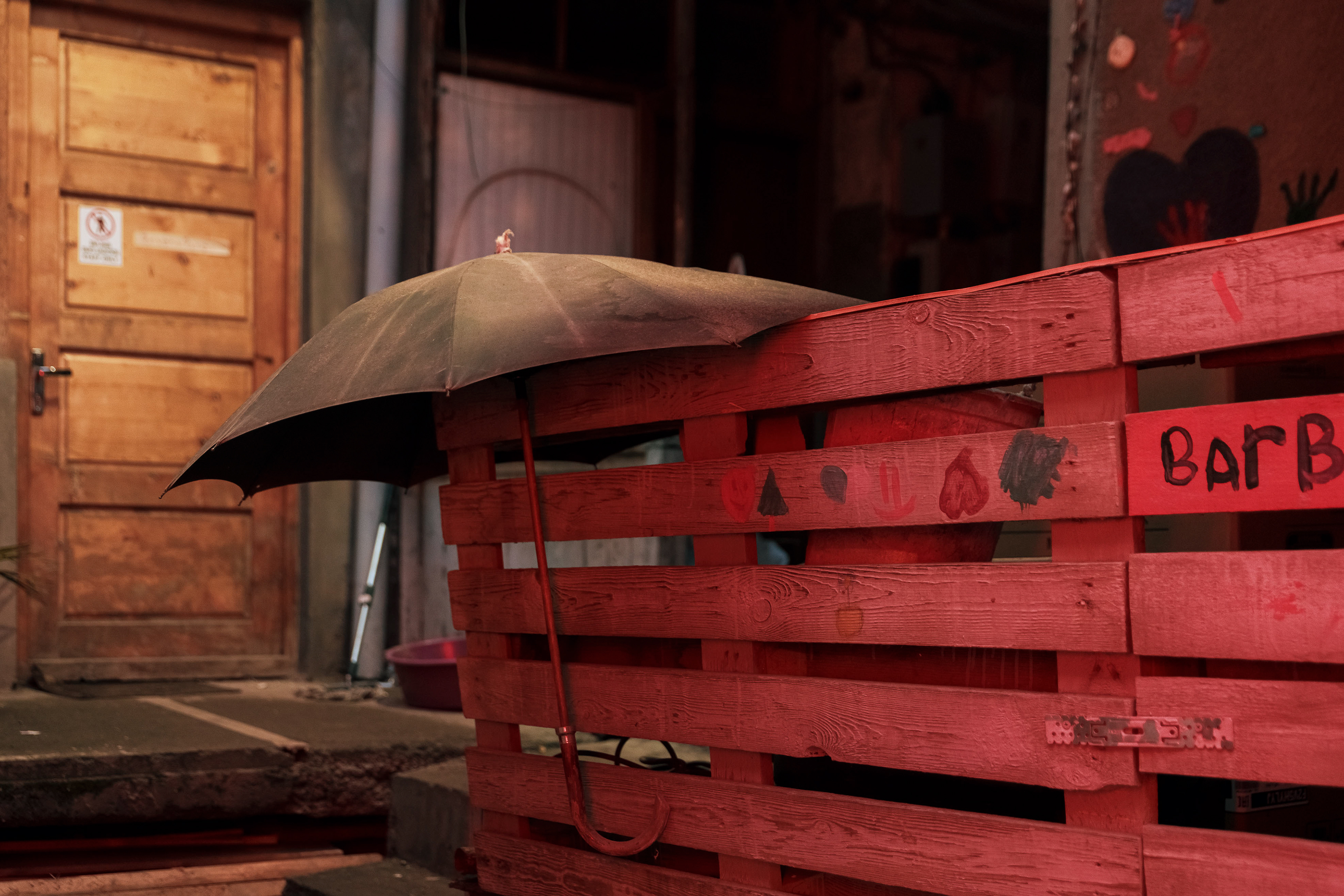
There is a kind of urgency in capturing what is disappearing. I don’t just want to take pictures—I want to create a record of something that might soon be unrecognizable. This place, this yard, this history—everything is in transition. As I click the shutter, I hope that in years to come, these images will remind people of what once was, of the spaces that shaped artists, of the beauty found in aging walls and untold stories. In a way, photography is a fight against time, just as art has always been.